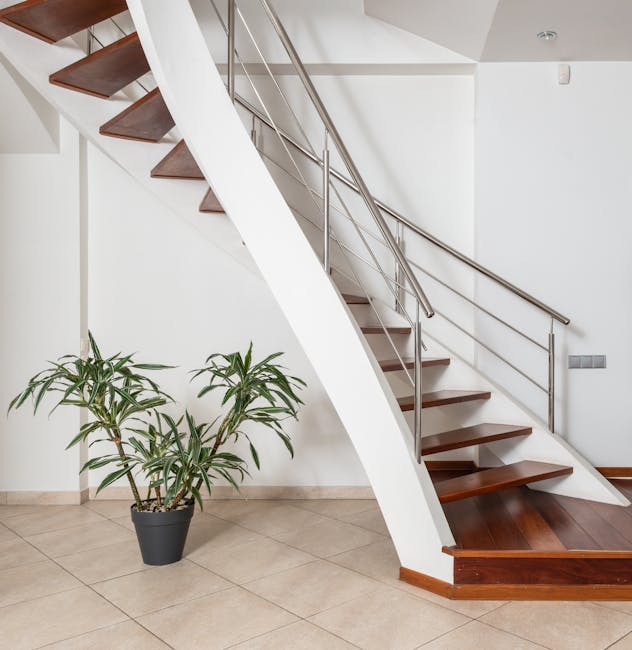
Staircase or Narrow Access? Petts Wood Movers' Solutions
Posted on 10/06/2026
Staircases, tight landings, awkward turns, and those maddeningly narrow hallways can turn a move from straightforward into a bit of a puzzle. If you are staring at a sofa that will not quite make the bend, or a wardrobe that looks one inch too wide for the front door, you are not alone. Staircase or Narrow Access? Petts Wood Movers' Solutions is all about dealing with that exact problem in a calm, safe, and practical way.
In Petts Wood, access issues are common enough that they deserve proper planning, not guesswork. This guide breaks down how movers assess tricky properties, what methods actually work, which mistakes cause damage, and how to decide whether you need extra handling, dismantling, or temporary storage. To be fair, the difference between a smooth move and a stressful one is often only a few smart decisions made early.
By the end, you will know what professional movers look for, how to prepare your home, and when it makes sense to lean on services like flat removals in Petts Wood, furniture removals support, or even packing and boxes help to make the whole process less of a wrestling match.

Why Staircase or Narrow Access? Petts Wood Movers' Solutions Matters
Access is not just a logistical detail. It shapes how safely your belongings are handled, how long the move takes, and whether your home's walls, bannisters, or door frames stay intact. In narrow-access properties, the challenge is not always the item itself. Often it is the route. A bulky armchair may be perfectly manageable in an open room and completely uncooperative on a tight staircase with a low ceiling. Lovely.
For Petts Wood homes, this matters because the area includes a mix of property styles: maisonettes, compact flats, terraces, older houses with tighter internal layouts, and modern homes that still manage to include one strangely awkward turn. One measured mistake can mean scuffs, strained backs, or items needing partial dismantling after all. And once an item gets stuck halfway up the stairs, the mood changes quickly.
This is also why experienced movers talk about route planning before heavy lifting. It is not just about strength. It is about geometry, balance, and timing. If you want a bit of background on why professional lifting methods matter, this guide to kinetic lifting is a useful companion read.
Expert summary: the best narrow-access move is the one that has been planned before the first box is carried. Measure first, clear the route, protect surfaces, and choose the handling method that fits the building, not just the item.
How Staircase or Narrow Access? Petts Wood Movers' Solutions Works
In practice, a narrow-access move begins with assessment. A mover will usually look at door widths, stair angles, landing size, ceiling height, handrail position, and the size of the items being moved. It sounds almost too simple, but these measurements change everything. A sofa that can be rotated vertically may pass through a hallway that would otherwise seem impossible. A mattress might need to be bent carefully, and a bookcase may need to be emptied, wrapped, and taken apart before it is moved at all.
The next step is choosing the right method. That could mean:
- measuring and comparing access points before moving day
- removing obstructions like lamps, rugs, or hallway furniture
- taking furniture apart where it is safe and sensible
- using lifting straps or protective blankets for better control
- moving items in smaller, safer loads instead of forcing one oversized attempt
- protecting walls, bannisters, and flooring along the route
There is no magic trick here. It is careful work. Sometimes a job that looks "quick" becomes slower because the safest route is the one that needs the most preparation. That is normal. A well-run move often looks a little unhurried from the outside because the team is busy preventing problems you never get to see.
If you are planning a flat move specifically, you may also find this practical house-moving guide helpful for the bigger picture. And if you are trying to keep possessions manageable before they ever reach the stairs, strategic decluttering ideas for movers can save a lot of hassle.
Key Benefits and Practical Advantages
Good access planning pays off in ways that are easy to underestimate until the day itself.
- Less damage risk: careful handling reduces bumps to walls, skirting boards, ceilings, and furniture corners.
- Safer lifting: items are handled with better balance, which lowers the chance of strains and slips.
- Faster problem-solving: when a mover already knows the route is tight, they prepare for it instead of reacting mid-move.
- Better protection for valuables: items like beds, wardrobes, mirrors, and pianos can be wrapped and moved with the correct support.
- More predictable timing: a clear access plan makes schedules more realistic. No one likes a move that drifts on all afternoon because a sofa met a staircase and lost.
There is another benefit people do not always mention: peace of mind. When you know the plan, you stop second-guessing every doorway. That matters. Moving day is noisy, busy, and oddly emotional. A calmer method helps the whole house feel less chaotic.
For larger or mixed-item moves, it can also help to combine access planning with storage. If you need to store some items while sorting out the layout or waiting for a room to be ready, storage in Petts Wood may be a sensible part of the solution. For soft furnishings in particular, storage tips for keeping a sofa in good condition are worth a look.
Who This Is For and When It Makes Sense
This approach is useful for anyone moving through a building where access is not generous. That includes:
- people in flats with narrow stairwells or shared entrances
- families moving from older houses with tight internal layouts
- students carrying furniture into upper-floor rooms
- office teams dealing with stairs, landings, or small lifts
- homeowners moving bulky items such as beds, sofas, wardrobes, or cabinets
- anyone with limited time who needs efficient, low-drama handling
It is especially relevant if you have one or more of the following:
- a staircase with a sharp turn
- low ceilings on the landing
- a front door that opens into a cramped hallway
- shared access with neighbours or the public
- heavy furniture that cannot be carried flat
- items with fragile surfaces or odd weight distribution
Truth be told, if you are already thinking, "Will this fit?", it probably deserves a proper access plan. That little instinct usually saves time later.
Students and renters in particular often benefit from a lighter, more flexible service approach. If that sounds like you, student removals in Petts Wood can be the kind of practical support that takes pressure off a busy week.
Step-by-Step Guidance
Here is a simple, real-world process for handling staircase or narrow access moves well.
- Measure the route. Check doorways, stair width, ceiling height, landing space, and any tight corners. Do not guess. A tape measure is far cheaper than a damaged wall.
- List the awkward items. Sofas, wardrobes, beds, glass furniture, and anything oversized should be identified early.
- Decide what can be dismantled. Remove legs, drawers, doors, shelves, and headboards where appropriate.
- Clear the path. Take away clutter, hall furniture, mats, and anything that could catch a foot or block a turn.
- Protect surfaces. Use blankets, wraps, and floor protection where needed. This is especially helpful on painted bannisters and narrow landings.
- Plan the lift order. Heaviest and most awkward items should be handled when the team is fresh, not at the end of the day when everyone is tiring.
- Move deliberately. Slow, controlled movement beats rushing. Every time.
- Pause if the route changes. If the item turns out to be too large for the route, stop and reassess. Forcing it is almost never the answer.
A quick micro-moment from real life: you think the wardrobe is the problem, but then the hallway light fitting is the thing that nearly gets clipped. That is how these moves go. It is usually not the obvious obstacle that causes the headache. A tiny protrusion, a handrail bracket, or a bend in the wrong place, and suddenly everyone is holding their breath.
To prepare items properly before moving day, packing efficiently for a house move can make a big difference. Beds and mattresses need special attention too, so it is worth reviewing safe bed and mattress moving advice if those are on your list.
Expert Tips for Better Results
The most helpful tip? Stop treating access as an afterthought. It is part of the move, not a side note.
1. Measure the awkward bit, not just the main entrance. People often check the front door and forget the staircase turn. That turn is usually the real test.
2. Photograph the route. A few quick pictures can help you compare furniture size against the actual space. This is especially useful if you are coordinating with a team ahead of time.
3. Empty furniture before moving it. Wardrobes, chests of drawers, and cabinets carry more weight and wobble more when full. That extra wobble is not your friend.
4. Use clear labels for dismantled parts. Screws, hinges, and brackets go into one labelled bag. Not a mystery bag. Not a "we'll remember later" bag.
5. Keep the landing clear. On narrow stairs, one box left in the wrong place can interrupt the whole sequence.
6. Plan the exit as carefully as the entry. What came in years ago may not come out the same way now, especially if floors, doors, or furnishings have changed.
If you are moving something especially delicate or unusually heavy, it can help to study specialist handling methods. This guide to lifting heavy items gives useful context, while piano moving challenges show just how much technique matters for complex items.
Common Mistakes to Avoid
Here is where many moves go off-track:
- Not measuring properly. "It looks like it should fit" is not a measurement.
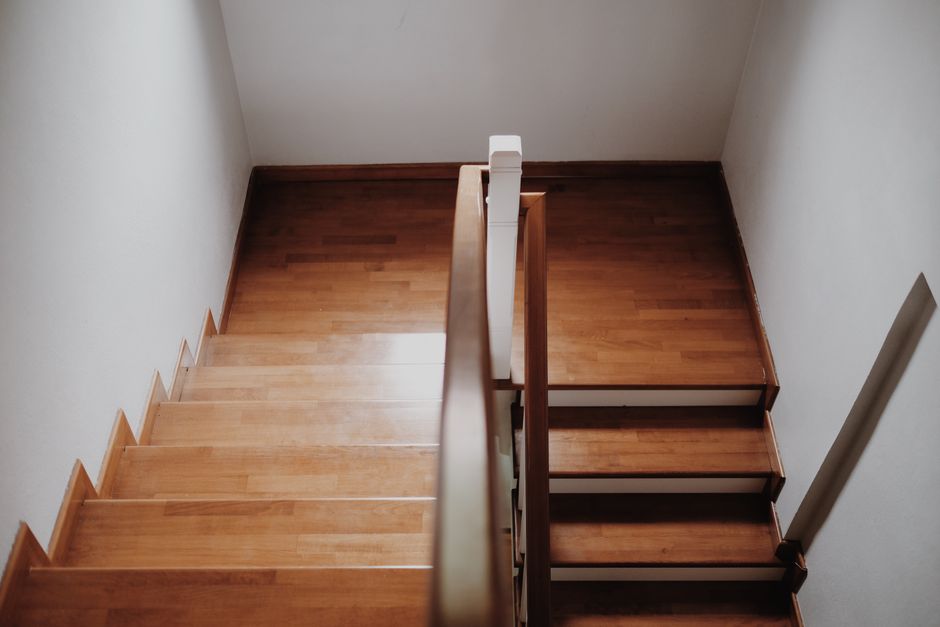
- Forgetting the staircase angle. A straight measurement is not enough if the item must pivot halfway up.
- Skipping dismantling. Sometimes removing one part saves the whole move.
- Rushing the lift. Speed without control causes bumps, slips, and a lot of bad language.
- Ignoring shared access. In flats or communal buildings, you need to think about neighbours, noise, and blocked hallways.
- Leaving packing too loose. Loose contents shift during lifting and make items harder to balance.
- Trying to force oversized furniture. If it does not fit, it does not fit. That is not a personal insult.
Another common mistake is underestimating the weight distribution of furniture. A small cabinet with an awkward centre of gravity can be harder to carry than a larger item that is better balanced. In real terms, the shape matters as much as the size.
Tools, Resources and Recommendations
You do not need a van full of specialist kit for every move, but the right tools help a lot.
| Tool or Resource | What It Helps With | Best Used For |
|---|---|---|
| Measuring tape | Checks doorways, stairs, and furniture dimensions | Planning before lifting starts |
| Protective blankets | Reduces scuffs and impact damage | Furniture, walls, bannisters |
| Straps or lifting aids | Improves control and weight sharing | Heavy or awkward items |
| Furniture tools | Helps remove legs, handles, or panels | Dismantling where appropriate |
| Labels and bags for fittings | Keeps fixings organised | Reassembly after the move |
| Boxes and wrap | Keeps loose items stable | Minimising shifting during stairs carries |
For support with the broader move, you may also want to review the services overview and removal services available in Petts Wood. If you are comparing support options for a heavier or more complex job, removal companies in Petts Wood can help frame your decision.
When items are too large for a clean carry, partial dismantling is often the smartest recommendation. In our experience, that one decision solves more problems than any fancy piece of kit. Not glamorous, but effective.
Law, Compliance, Standards, or Best Practice
For moving work in the UK, there are a few practical standards and best-practice expectations worth keeping in mind. You do not need to become a compliance expert, but you should expect movers to work safely, communicate clearly, and avoid creating avoidable risk.
That usually means:
- using safe manual handling principles
- being alert to trip hazards, slippery surfaces, and tight turning spaces
- taking care around shared access routes
- protecting property surfaces where reasonable
- working with appropriate insurance and clear service terms
Manual handling matters here because narrow stairs and awkward lifts can increase strain if items are moved badly. It is perfectly normal for professional movers to decide that an item needs two people, or that a stair carry should be broken into stages. Safety first, pride second. Always.
If you want to understand more about how a moving team thinks about safety and liability, insurance and safety information is a sensible place to look. For day-to-day policies and expectations, health and safety policy and terms and conditions provide the kind of practical framework customers usually appreciate once the move is under way.
For properties with shared routes, a bit of extra courtesy goes a long way. You are not just moving through a space; you are passing through someone else's day too. That includes hallways, entrances, and communal areas. The less disruption, the better.
Options, Methods, or Comparison Table
Different access problems call for different responses. Here is a simple comparison of the most common methods.
| Method | Best For | Pros | Limits |
|---|---|---|---|
| Standard carry | Wide stairs and generous hallways | Fast, simple, minimal prep | Not suitable for tight turns or oversized furniture |
| Partial dismantling | Wardrobes, beds, desks, cabinets | Improves fit and reduces weight | Requires time and care with fixings |
| Vertical manoeuvre | Sofas, mattresses, tall items | Can solve awkward angles | Needs skill and space to pivot safely |
| Two-person controlled carry | Heavy items on narrow stairs | Better balance and safer handling | Slower than a simple lift |
| Storage first, move later | Homes not ready for all items | Reduces pressure on access route | Not ideal if you need everything immediately |
Which one is best? That depends on the building and the item. A lot of people want a universal answer, but there really is not one. A staircase that feels manageable for boxes may be a headache for a king-size bed frame. The move decides the method, not the other way round.
Case Study or Real-World Example
A fairly typical Petts Wood scenario goes like this: a tenant is moving from a first-floor flat with a narrow stairwell and a sharp turn at the landing. The big items are a sofa, a bed frame, a mattress, a small bookcase, and several boxes. The sofa is the problem child, naturally.
Instead of attempting to force it through the stairs, the mover checks the route, removes the feet, wraps the arms, and repositions the item vertically with controlled support. The bed frame is dismantled, labelled, and moved in sections. The bookcase is emptied first to reduce the strain and stop it twisting on the stairs. The boxes are packed tightly so they do not shift while being carried down the narrow hallway.
The difference is not dramatic in a flashy sense. No one claps. But the move finishes with fewer scuffs, less stress, and no one having to "just have one more go" at a doorway that clearly says no. That is success, honestly.
This is also why a careful pre-move clean-up can help. If you are preparing a property with awkward access, pre-move house cleaning guidance can make it easier to clear routes and spot problems early. And if timing is tight, urgent same-day moving expectations can give a better sense of what happens when plans are compressed.
Practical Checklist
Use this before move day. Simple, but it works.
- Measure the staircase, doorways, and landings
- Identify all oversized or fragile items
- Decide what should be dismantled
- Remove contents from furniture
- Label screws, fittings, and panels
- Clear hallways, stairs, and entry points
- Protect floors, corners, and bannisters
- Keep boxes compact and securely closed
- Confirm access arrangements for flats or shared entrances
- Prepare a fallback plan if an item will not fit cleanly
Quick reminder: if you are even slightly unsure, do not force the item through. Stop, breathe, and re-check the route. That pause can save a lot of mess.
Conclusion
Staircases and narrow access do not have to turn a move into a disaster. With accurate measurements, sensible dismantling, careful packing, and the right moving method, even tricky properties can be handled with confidence. The real trick is treating access as a core part of the job from the very beginning.
If your move involves tight landings, awkward turns, or heavy furniture that needs proper handling, the safest route is usually the planned route. That may mean extra preparation, a different lifting method, or a more flexible moving setup. None of that is overkill. It is just good moving sense.
Get a free quote today and see how much you can save.
And if one bit of advice sticks, let it be this: the smallest hallway can teach you a lot about patience.