Petts Wood Common & Library Moves: Care for Shared Spaces
Posted on 26/05/2026
Petts Wood Common & Library Moves: Care for Shared Spaces
Moving near Petts Wood Common or the library is not just a question of boxes, trolleys, and van space. It is also about how you treat the shared environment around you. A careful move protects pavements, keeps entrances clear, reduces noise, and shows respect for neighbours, walkers, readers, staff, and the everyday rhythm of the area. That is really what Petts Wood Common & Library Moves: Care for Shared Spaces is about: moving well without making a mess of the places everybody uses.
To be fair, most people do not set out to inconvenience anyone. The problems usually creep in through poor timing, oversized loads, blocked walkways, or a rushed plan. A sofa gets wedged at the door, a stack of boxes lands on the pavement, someone leaves packaging behind, and suddenly a simple move feels awkward. This guide walks through how to avoid all that, with practical local-minded advice for smoother, tidier, more considerate moves.
Whether you are moving a flat, a student room, an office, or a few awkward pieces of furniture, you will find clear steps here on planning, packing, lifting, transport, and care for shared spaces. And if you need a broader moving plan, you may also find our services overview useful alongside this guide.

Why Petts Wood Common & Library Moves: Care for Shared Spaces Matters
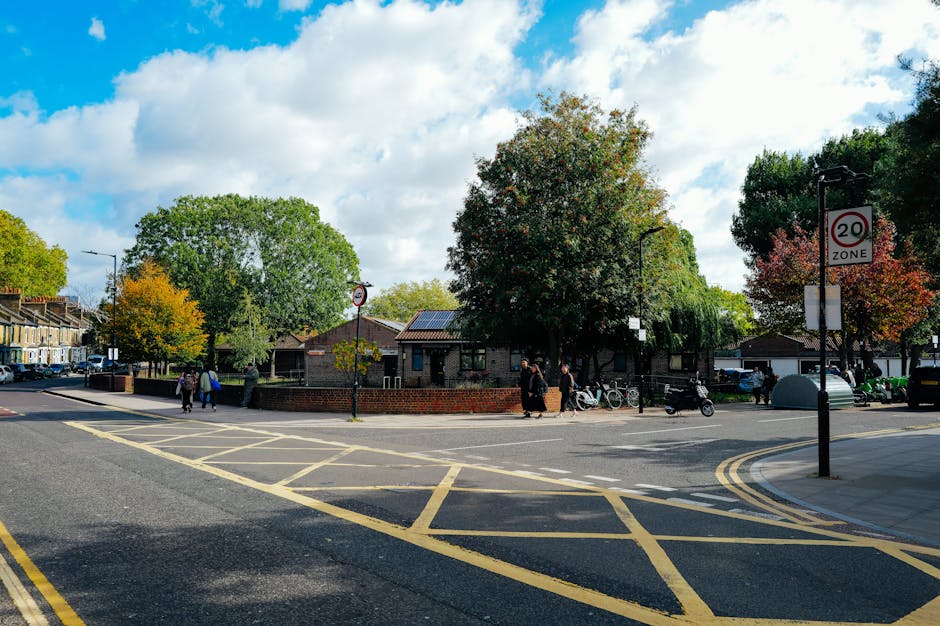
Shared spaces are fragile in the simplest way. Not physically fragile, always, but socially fragile. One careless move can create a chain of small annoyances: a blocked path, a noisy early start, scratched flooring, litter, or a stressed neighbour who now has to squeeze past a van. Around Petts Wood Common and nearby library areas, that matters because these places are used by many people for very different reasons.
The Common is a place for walking, pausing, meeting, and generally breathing a bit easier. The library is quieter, more focused, and usually needs access to stay clear and calm. A move that ignores those differences can make the whole street feel tighter than it needs to. A considerate move, on the other hand, feels almost invisible. That is the goal.
There is also a practical side. The better you care for shared spaces, the fewer delays you face. Fewer delays means less standing around with heavy furniture in awkward places. Less standing around means less risk of damage, less chance of complaints, and less chance of someone rushing at the wrong moment. Simple really.
If you are planning a broader home move and want to make the whole process easier on yourself, our guide to moving with more serenity and simplicity offers a calm, sensible approach that fits well with considerate local removals.
Expert summary: The best shared-space move is the one people barely notice. Good timing, tidy loading, careful lifting, and a clean exit protect both the move and the neighbourhood.
How Petts Wood Common & Library Moves: Care for Shared Spaces Works
At its core, the process is about planning the move around the space, not forcing the space to fit the move. That means thinking through access, loading, parking, pedestrian flow, noise, and how long each stage will take. It also means deciding what should be moved, what should be stored, and what can be broken down before the van arrives.
A good shared-space move usually works in five phases:
- Assess the route. Check entrances, hallways, stairs, kerbs, paving, and where people naturally walk.
- Prepare the items. Disassemble where sensible, protect corners, wrap soft furnishings, and label box priority.
- Time the move carefully. Avoid peak footfall, school-run pressure, or times when the library entrance is busiest.
- Load with discipline. Keep boxes stacked safely, secure loose items, and avoid leaving anything on pavements longer than needed.
- Leave the area as you found it. Clear wrapping, tape, dust, and packing debris before you go.
There is a rhythm to it. A van arrives, the first items come out, and suddenly every small decision matters. Do you set the sofa down where it blocks the path? Do you leave a stack of boxes by the gate for a moment? Do you keep the packing paper in a neat bag or let it fly away in the breeze? That last one sounds trivial until the wind picks up. Around the Common, it often does.
For awkward or heavy items, careful handling becomes even more important. If you are moving a large wardrobe, a piano, or a heavy dining table, it can help to read more on lifting heavy items safely and the practicalities of kinetic lifting techniques. Those ideas may sound technical, but in practice they just mean better balance, less strain, and fewer near-misses.
Key Benefits and Practical Advantages
Careful moves in shared spaces are not only polite; they are efficient. That sounds neat, but it is also true. The benefits show up very quickly once the move starts.
- Less disruption for neighbours and passers-by. People can continue using the area without awkward detours.
- Reduced risk of damage. Cleaner routes and better handling protect pavements, door frames, walls, and items being moved.
- Faster progress. A clear access plan avoids the stop-start chaos that wastes time.
- Lower stress. Everyone works better when they are not apologising every two minutes.
- Better compliance with building or site expectations. Landlords, management teams, and local access rules are easier to respect when you are prepared.
- A better first impression. If you are moving into a property near a shared amenity, courtesy matters more than people admit.
There is also a quieter benefit. A tidy move feels better afterwards. You do not come home to a trail of tape, dust, cardboard corners, and that one broken packing strap nobody claims. The atmosphere stays lighter. Which, truth be told, is what most people want on move day.
If storage is part of your plan, the article on keeping sofas in good condition in storage can help you protect furniture between stages. That is especially useful when you are trying to reduce clutter near a busy shared entrance.
Who This Is For and When It Makes Sense
This approach makes sense for anyone moving in or around spaces that many people use. That includes home movers, landlords, tenants, students, office teams, and families making a short local relocation. It is especially useful if your route crosses a pedestrian-heavy area or a place where calm, access, and cleanliness matter.
It may be the right fit if you are:
- moving from a flat near a common, park, or public walkway
- using a library-adjacent street where foot traffic needs to stay open
- handling a move with limited kerb space or awkward parking
- moving at a time when children, commuters, or local visitors are likely to be around
- trying to keep things low-key and neighbourly
Students often need this kind of guidance, by the way. They may be juggling deadlines, key handovers, and a van that feels too small by half. Our student removals in Petts Wood page is relevant if you are planning a compact but busy move with shared access in mind.
And if you are dealing with a flat or upper-floor property, the practical challenges change a bit. Narrow landings, shared stairwells, and neighbours coming and going can make timing and lift discipline absolutely key. In those cases, flat removals in Petts Wood are often the more realistic route than improvising on the day.
Step-by-Step Guidance
Here is a straightforward way to manage a move while respecting shared spaces. You do not need ten complicated systems. You need one sensible plan and the discipline to follow it.
1. Check access before move day
Walk the route from property to van. Look at door widths, steps, handrails, uneven paving, bins, low branches, and where people tend to pass. If the route is tight, measure your larger items. Do not guess. Guessing is how wardrobes become philosophical problems.
2. Sort what is actually moving
Before packing, remove the things you do not need. A smaller load is easier on shared spaces because it reduces trips and keeps corridors clear for less time. The guide to decluttering before a move is a useful companion here.
3. Pack by priority and fragility
Keep essentials accessible and fragile items well protected. Label boxes clearly, and avoid overfilling them. If you are packing for an entire home, packing more efficiently can save time and reduce clutter in shared hallways.
4. Protect surfaces and doorways
Use furniture blankets, corner protection, and floor coverings where needed. That is especially helpful if the building has polished flooring or narrow entry points. Shared areas are often the first place damage shows, and the hardest place to explain it later.
5. Load the van in a logical order
Heavy, stable items should go in first, with lighter or delicate items secured around them. Keep a clear path between property and vehicle so movers are not constantly dodging around each other. If a second person can guide the load, even better.
6. Keep the area tidy as you go
Do not leave cardboard, wrapping film, or tape scraps behind. Put waste into bags or boxes immediately. A library side street or shared green edge looks messy very quickly, even with just a few stray pieces.
7. Do a final sweep
Check the hallway, doorstep, pavement, and van area before leaving. Look for dropped screws, packaging, or dust. A final sweep takes minutes and saves awkward returns later.
If you want more support for the end-to-end move itself, our removals service in Petts Wood and man and van Petts Wood options are designed for moves where practical help matters. For larger properties, the house removals page is a natural next step.
Expert Tips for Better Results
Small habits make a surprisingly big difference. In our experience, the smoothest shared-space moves are not necessarily the ones with the most people or the biggest van. They are the ones where someone has thought ahead by twenty minutes.
- Use one person as the access lead. That person watches the route, pedestrians, doors, and timing.
- Pre-sort hardware and tools. Put screws, Allen keys, and fittings in labelled bags before the van arrives.
- Move in quieter windows. Early afternoon can sometimes work better than the obvious rush periods, though local conditions vary.
- Keep a "pause zone." Choose one place where items can be set down briefly without blocking movement.
- Wrap noisy or scratchy items. Metal legs, table edges, and bed frames can clatter more than expected.
- Use the right vehicle size. A van that is too small creates extra trips; one that is unnecessarily large can make access trickier. Balance matters.
One useful observation: people often focus on the biggest object and forget the smallest problem. It is usually the little things that cause friction - a loose cable, a flap of tape, a box that is just a bit too wide for the corner. You see it all the time.
If you are moving a bed, mattress, or frame, our guide on safe bed and mattress moving is worth a look. And for specialist items, piano removals in Petts Wood should be handled with extra care and proper equipment, not improvised muscle.
Common Mistakes to Avoid
Some mistakes are very common because they look harmless right up until they are not. The good news is that most of them are avoidable.
- Blocking walkways for too long. Even a few minutes can feel like forever to someone trying to pass.
- Leaving rubbish behind. Tape, wrap, and cardboard should never be the final gift to the street.
- Underestimating item size. A sofa is always bigger in a doorway than it seems in the living room.
- Trying to rush heavy items. This is where knocks, strains, and awkward twists happen.
- Ignoring parking and kerb space. A perfect packing plan can still fail if the van cannot position safely.
- Failing to protect shared surfaces. A scuffed wall in a communal area becomes a real annoyance very quickly.
- Not communicating with neighbours or building users. A heads-up is often enough to prevent friction.
There is a related mistake that people do not always see at first: moving too much at once. It feels efficient, but a crowded hallway and a crowded timetable rarely mix well. Fewer trips with better organisation often beats a heroic all-at-once dash.
Tools, Resources and Recommendations
The right tools make shared-space moving calmer and safer. You do not need every gadget on the market, but a few basics will help a lot.
- Furniture blankets and protective wraps for edges and soft furnishings
- Strong tape and marker pens for clear labelling
- Removal boxes and book boxes for weight control and stacking
- Gloves with grip for better handling
- Furniture sliders or a dolly where suitable for floors and item weight
- Reusable bags or sacks for loose packing waste
- Basic tool kit for disassembly and reassembly
For supply planning, our packing and boxes in Petts Wood page can help you think through materials before move day. If storage is part of the plan, see storage options in Petts Wood so you can reduce pressure on shared access points while staging the move.
Furniture-specific jobs can also benefit from specialist handling. The page on furniture removals in Petts Wood is helpful if your move includes larger items that need more than a standard lift and carry.
Law, Compliance, Standards, or Best Practice
Not every local move needs formal permission, but it still needs care and common sense. Shared spaces often sit at the intersection of property access, public responsibility, and neighbourly respect. In the UK, people generally need to think about safe lifting, avoiding obstruction, keeping routes clear, and following any building, lease, or management rules that apply to the property.
Where a move affects a communal building, landlords or management agents may expect notice in advance, especially if there are lift bookings, loading restrictions, or protection requirements for walls and floors. On public land or near a busy walkway, it is best practice to avoid making the area unsafe or unreasonably difficult to use. That is not dramatic. It is just good citizenship.
Good practice also means thinking about:
- Health and safety: using proper lifting methods, team handling, and suitable equipment
- Insurance: checking that your mover is covered for transit and handling risks
- Accessibility: keeping routes open for people who use mobility aids, pushchairs, or need wider passage
- Sustainability: reducing waste and recycling packing materials where possible
If you want reassurance on how a provider handles these issues, the company's health and safety policy and insurance and safety information are sensible pages to review. For a broader view of standards and responsibilities, the recycling and sustainability page is also relevant.
There are also basic trust pages worth checking before you book any service, especially if your move is time-sensitive or involves shared access. The terms and conditions, payment and security, and privacy policy pages are part of a careful decision, not an afterthought.
Options, Methods, or Comparison Table
Different moves need different levels of support. The right choice depends on item size, access, urgency, and how busy the surrounding area is.
| Option | Best for | Strengths | Trade-offs |
|---|---|---|---|
| Self-move with a car | Very small loads | Low cost, simple for short distances | Limited space, more trips, more handling around shared areas |
| Man and van | Typical local moves | Flexible, practical, often quicker than self-moving | Needs good planning to avoid access issues |
| Full removals service | Larger homes or complex items | More support, better for heavy or awkward furniture | Higher cost than a basic transport-only option |
| Same-day removals | Urgent changes or timing pressures | Fast response, useful when plans shift suddenly | Availability can be limited, so timing matters |
For a quick local move where access is manageable, a man with a van in Petts Wood may be enough. If the move is larger or involves stairs, the extra support of a more complete removal service can be the safer, calmer choice. And if time has suddenly got tight, same-day removals may be worth asking about.
Case Study or Real-World Example
Picture a Saturday morning move near a shared green and a library entrance. Nothing dramatic. Just a one-bedroom flat, a few boxes, a bed frame, a small sofa, and the usual mix of lamp leads, fragile mugs, and shoes nobody has worn in months. The route from flat to van is short, but it crosses a narrow path where people regularly cut through.
The movers start by clearing the hall and lining the entry point with protective material. One person stays at the door to manage the flow. Boxes leave in a sensible order: essentials first, heavy items last, fragile pieces wrapped and stacked securely. No one parks anything on the pavement for long. A passer-by can still get through without a sideways shuffle.
There is one small hiccup. The sofa catches the angle at the doorway. Not a disaster, just a reminder that measurements matter. They pause, tilt, adjust, and move it through with care. No scrape, no scuff, no drama. The packing waste goes straight into bags, and the final check takes less than two minutes. When they leave, the area looks almost unchanged. That is the whole point.
That kind of move may not sound heroic. Good. It should not need to be. A well-run move is quiet, respectful, and efficient. If you want a fuller sense of how planning can reduce stress, the article on pre-move house cleaning also helps set the tone before moving day.
Practical Checklist
Use this checklist before and during the move. It keeps things focused when the day gets busy.
- Measure doorways, stairs, and larger furniture pieces
- Confirm parking and access arrangements in advance
- Tell neighbours or building contacts if needed
- Pack fragile items separately and label them clearly
- Break down furniture where practical
- Protect floors, corners, and door frames
- Keep shared walkways clear
- Use proper lifting technique and team handling
- Bag or box packing waste immediately
- Do a final sweep for debris, tools, and loose fittings
- Check storage or next-step delivery details if needed
Quick reminder: if the route is awkward, the solution is usually better planning, not more rushing. Rushing rarely improves stairs. Or sofas. Or moods, really.
Conclusion
Petts Wood Common and library-adjacent moves work best when care is built into the plan from the start. Respect the route. Respect the people who use it. Keep the space clear, keep the timing sensible, and treat every surface as if you would rather not pay to repair it. That simple approach makes the move easier for everyone involved.
There is a kind of quiet professionalism in that. Not flashy, not complicated, just thoughtful. And when the boxes are finally inside and the van door closes, you can actually feel the difference. Less mess. Less stress. More breathing room.
If you are planning a local move and want practical help that keeps shared spaces in mind, a well-organised removal service can make a real difference from the first box to the final sweep. Get a free quote today and see how much you can save.