Avoid Fines: Petts Wood Parking Rules for Moving Vans
Posted on 06/07/2026
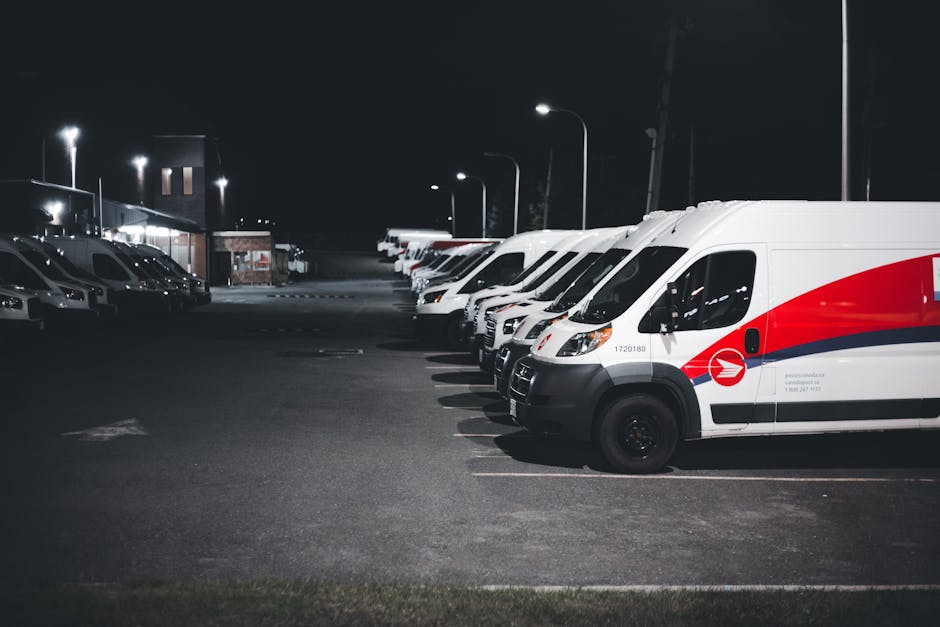
If you are moving house, flat, or office in Petts Wood, parking can be the part that catches you off guard. A van that is perfectly loaded and ready can still run into trouble if it blocks a dropped kerb, sits too long on a yellow line, or parks in a spot that simply was never meant for a moving vehicle. That is why understanding Avoid Fines: Petts Wood Parking Rules for Moving Vans matters before the first box leaves the hallway.
In practice, the safest move is usually the least rushed one. A bit of planning around access, loading space, timing, and neighbour courtesy can save a surprising amount of hassle. It can also keep the day calmer, which, let's face it, is worth a lot when everyone is carrying a sofa at 8am and the kettle is still in a box somewhere.
Below, you will find a practical guide to the rules, the risks, the sensible workarounds, and the small details that make a big difference. If you want extra help getting the load ready, you may also find our guides on packing efficiently for a house move and decluttering before moving day useful.
Why Avoid Fines: Petts Wood Parking Rules for Moving Vans Matters
Parking rules are not just a paperwork issue. They affect whether your move starts smoothly or turns into a chain of avoidable problems. In a busy residential area, a moving van may need to stop close to the property, but that does not mean every kerbside space is safe or lawful to use.
A moving van left in the wrong place can create three common issues at once: a ticket, tension with neighbours, and delays for the crew. In a narrow road, even a short stop can block visibility or make it hard for other vehicles to pass. That is especially important in Petts Wood, where streets can be quiet one minute and surprisingly awkward the next.
There is also the financial side. One parking mistake can cost more than the convenience of the space you chose. Add in any extra time spent unloading from further away, and the whole day becomes more expensive and more tiring. If you are trying to keep the move on budget, our article on understanding extra moving fees is a sensible companion read.
Key point: the best parking plan is not about finding the nearest space. It is about finding a legal, safe, practical place that lets the move happen without stress, penalties, or awkward last-minute decisions.
How Avoid Fines: Petts Wood Parking Rules for Moving Vans Works
There is no single magic rule that applies everywhere on every road. Instead, moving van parking depends on the location, the type of bay or restriction, the time of day, and whether you are loading, unloading, or simply leaving the van in place. That sounds a bit fiddly because, well, it is.
In simple terms, you need to think about four things:
- Restriction type: yellow lines, permit bays, loading areas, dropped kerbs, zig-zags, or unrestricted spaces.
- Activity: loading and unloading may be treated differently from casual parking, but the activity still has to be genuine and active.
- Duration: a quick drop-off is not the same as a long unload. The longer the van sits, the greater the risk.
- Location access: the closer the van is to the property, the easier the move, but only if that position is allowed.
For many households, the parking plan starts before the van arrives. That means checking whether the road has controlled parking, whether a permit is needed, and whether there is space for a large vehicle to sit without blocking access. A little planning goes a long way. Truth be told, the best move days often look boring from the street because everything was sorted in advance.
If your property has awkward access, stairs, or a narrow frontage, you will want to think about unloading strategy at the same time. Our guide on solutions for staircase and narrow access moves is especially relevant here.
What counts as loading or unloading?
Loading and unloading usually means active movement of goods between the property and the vehicle. The key word is active. If the driver is standing around, taking a long break, or the van has been left while the team disappears inside for too long, that can weaken any argument that the stop was necessary for loading purposes.
That is why timing matters. Keep the route clear, stage items near the exit, and make sure everyone knows what is being moved first. A van that is parked for a clear purpose is easier to justify than one that has become a temporary storage unit on wheels.
Key Benefits and Practical Advantages
Getting parking right is not just about avoiding fines. It improves almost every part of the moving day.
- Less time wasted: a van parked close enough for efficient loading shortens carrying distances.
- Lower physical strain: fewer steps with heavy items means fewer chances to drop, twist, or strain something.
- Better neighbour relations: a clean, considerate parking setup reduces complaints.
- Safer handling: moving boxes and furniture over shorter distances is simply safer.
- More predictable timing: when parking is sorted, the rest of the timetable holds together better.
There is another advantage people overlook: the parking plan shapes the mood of the day. If the van is legal, the route is clear, and nobody is arguing over where to stop, people work better. Small thing, maybe. But it really does matter when the day is already full of noise, tape, door frames, and half-finished tea.
For especially bulky items, a good parking position can be the difference between a smooth carry and a painful slog. If you are moving heavy furniture, take a look at our practical page on furniture removals in Petts Wood and our advice on lifting heavy items safely.
Who This Is For and When It Makes Sense
This guidance is useful for almost anyone using a van for a move in Petts Wood, but some people need it more urgently than others.
- Home movers: if you are moving from a terraced street, flat, maisonette, or family home.
- Flat movers: parking and access often matter more in apartment moves because unloading points can be limited.
- Student movers: quicker moves still need a sensible parking plan, especially with time pressure.
- Office movers: business relocations can involve stricter schedules and a need to avoid disruption.
- Same-day movers: if everything is rushed, parking mistakes become more likely.
- Anyone using a man and van service: whether the job is small or large, the van still has to stop somewhere legal.
It also makes sense when the property sits on a busy road, near a school run, or in an area where parking is already tight. Even if the move is small, one poor parking choice can create a chain reaction. You know the sort of thing: a neighbour comes out, a door has to be reopened, someone has to move the van, and twenty minutes vanish without warning.
If you are moving on a tight schedule, our article on urgent same-day moves in Petts Wood gives a realistic sense of what fast-paced moving days often involve.
Step-by-Step Guidance
Here is a practical process you can follow before moving day. It is not fancy, but it works.
- Check the road outside the property. Look for yellow lines, permit bays, loading restrictions, dropped kerbs, and signs.
- Decide where the van is most likely to stop. Pick a legal position first, convenience second.
- Plan the route from van to door. Shorter is better, but only if the space is lawful and safe.
- Keep essential items near the exit. Boxes, tools, and fragile items should not be buried in the back bedroom.
- Assign a spotter. One person should keep an eye on traffic, pedestrians, and any issue with the parking position.
- Move actively and continuously. If the van is on a restriction that only works for genuine loading, keep the activity going.
- Reassess if the plan changes. If the space becomes blocked or a neighbour needs access, adapt quickly rather than assuming it will sort itself out.
A small but useful habit: arrive early enough to test the access before the heavy lifting begins. By 9am, the road can already feel different from how it looked at 7.30. Cars appear. Deliveries happen. People leave for work. The quiet slot disappears faster than you expect.
If you are still packing the night before, our guide to maximising packing efficiency can help you stage boxes in a more move-friendly way.
Expert Tips for Better Results
After enough move days, a few patterns become obvious. The vans that avoid trouble are usually the ones that were treated as part of the logistics plan, not an afterthought.
1. Treat parking like a load-bearing part of the move
If the van cannot stop legally and sensibly, every other task gets harder. Think about parking the same way you think about bubble wrap or straps. It is not optional.
2. Stage items by priority
Put the largest, heaviest, and most awkward items closest to the exit. That reduces the time the van sits waiting while people search for keys, coats, or the last box of chargers.
3. Use clear communication
One person should know whether the van is stopping, moving, or waiting. Too many people giving directions at once can turn a simple manoeuvre into a small comedy routine. Not the good kind.
4. Protect vulnerable access points
Do not block dropped kerbs, driveways, shared entrances, or access needed by neighbours. A bad parking decision can cause more than a fine; it can create immediate conflict.
5. Match the van size to the street
A larger van is not always better. In a tight residential road, a smaller or more manoeuvrable vehicle may be the smarter choice. Our page on man with a van in Petts Wood is a useful starting point if you want flexibility rather than a bigger vehicle than the street can comfortably handle.
6. Keep safety before speed
A van parked slightly further away is annoying. A van parked badly is costly. Safety wins, even when it adds a minute or two.
Common Mistakes to Avoid
The same errors come up again and again, and they are usually avoidable with a bit of calm planning.
- Assuming loading gives unlimited parking time. It usually does not.
- Parking too close to junctions or crossings. This creates obvious hazards and can attract attention quickly.
- Ignoring signs because the stop is brief. Brief does not always mean permitted.
- Blocking the pavement. It may seem harmless for a few minutes, but it can affect pedestrians, pushchairs, and neighbours.
- Leaving the van unattended for too long. A genuine loading stop needs genuine activity.
- Not thinking about where the team will carry items from. A parking space that looks fine can be awful once you realise it adds a long carry to the front door.
- Forgetting building rules. Flats and managed properties can have their own access arrangements, and they matter just as much as street restrictions.
Sometimes the biggest mistake is optimism. That cheerful "we'll just find somewhere" approach can work on a quiet Sunday, but not always on a weekday in a residential area. A little less faith in luck, a little more planning.
Tools, Resources and Recommendations
You do not need a mountain of equipment to manage parking properly, but a few simple tools make a huge difference.
- Printed move schedule: helps the team stay on track so the van is not left waiting.
- House plan or floor notes: useful for deciding which items leave first.
- High-visibility cones or markers: only where appropriate and lawful, and never as a substitute for parking rules.
- Phone camera: helpful for recording the parking position in case any issue later needs clarification.
- Labels and colour codes: reduce confusion and keep the unloading process faster.
- Protective gear: gloves, straps, and trolley equipment all help keep carrying time down.
From a service perspective, it can be helpful to work with a team that understands local access issues as part of the job. Our services overview gives a good sense of the kind of support that can make move day easier, while insurance and safety information matters if you want reassurance around the practical side of the work.
If your move includes items you do not need to transport, our guide to bulky waste removal options in Petts Wood may help you reduce the load before the van even arrives.
Law, Compliance, Standards, or Best Practice
Parking and loading rules can involve local restrictions, road traffic rules, and property-specific conditions. Because those can vary, it is wise to treat any parking plan as something to verify rather than assume. If a road has signs, bays, or restrictions, those signs generally matter more than convenience.
Good practice usually means the following:
- park only where the vehicle is allowed to stop;
- avoid creating a danger or obstruction;
- keep loading active if relying on a loading/unloading allowance;
- respect permit zones, resident-only areas, and time limits;
- follow building or estate rules as well as street rules;
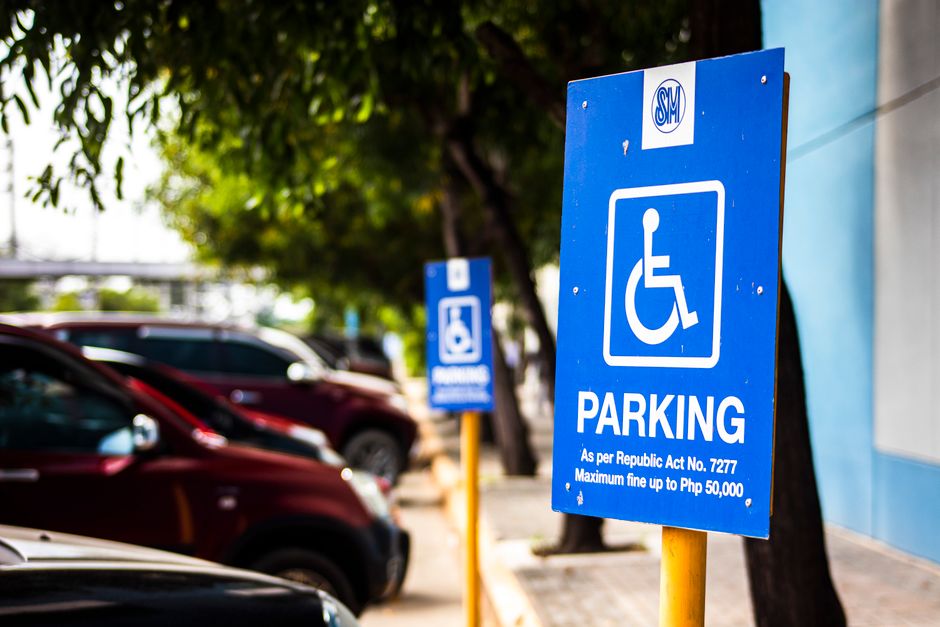
- leave enough room for pedestrians, wheelchairs, and pushchairs where possible.
For movers, there is also a sensible professional standard: work in a way that protects the client's goods, the crew, and the local environment. That includes avoiding kerb damage, preventing blockages, and not treating "just for a moment" as an excuse for poor judgement. The best teams are the ones that know when to pause and reposition rather than forcing a bad stop.
If you are choosing a provider, it can help to look at the company's approach to responsibility more broadly, including its health and safety policy, terms and conditions, and recycling and sustainability approach. Those pages do not replace local parking checks, of course, but they do tell you a lot about how a business works.
Options, Methods, or Comparison Table
There are usually a few ways to handle moving van parking. The right choice depends on the street, the size of the load, and the pressure on the timetable.
| Option | Best for | Pros | Trade-offs |
|---|---|---|---|
| Park directly outside | Quiet road, legal space, short carry | Fast unloading, less walking, easier coordination | Not always possible; higher risk if restrictions are ignored |
| Park a short distance away | Busy street with no immediate space | More flexible, often safer and more lawful | Longer carry, more physical effort |
| Use a smaller vehicle | Narrow roads or limited access | Easier manoeuvring, less chance of blocking traffic | May require extra trips if the load is large |
| Split the move into stages | Large homes, awkward access, or timed parking limits | Reduces pressure, can fit around restrictions | Takes more time and planning |
For a lot of Petts Wood moves, a combined method works best: park legally a little further away, stage the load neatly, and keep the turnaround steady. That approach may not sound glamorous, but it often avoids the drama completely. And honestly, a drama-free move is a win.
Case Study or Real-World Example
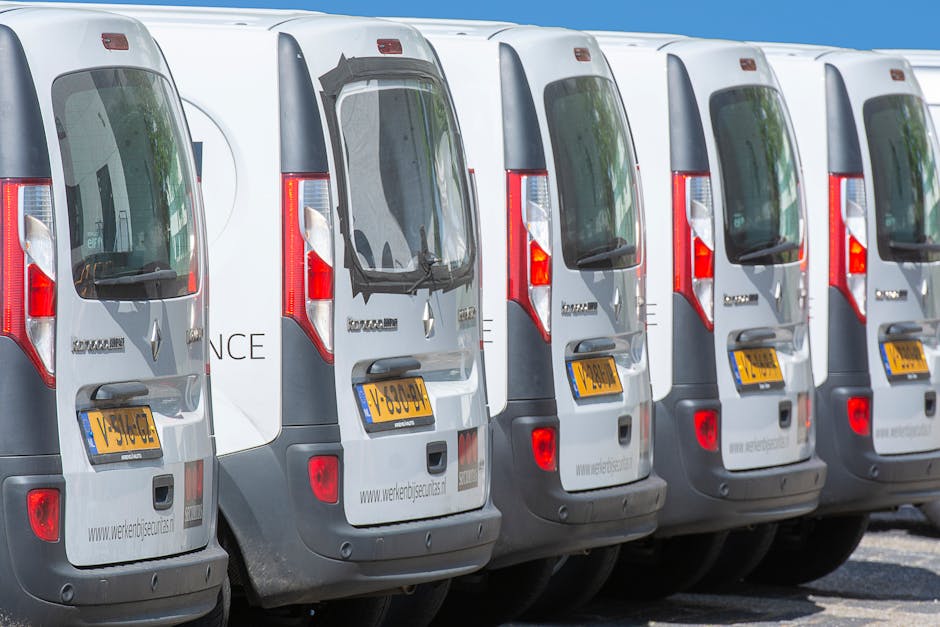
Imagine a family moving from a mid-terrace property in Petts Wood on a weekday morning. The first instinct is to stop right outside the house. But the road has limited space, a driveway opposite, and cars begin arriving from the school run. If the van sits in the wrong spot, it blocks manoeuvring space and creates immediate pressure.
Instead, the team checks the street, chooses a legal loading position that keeps traffic flowing, and stages the larger furniture near the front door before the van arrives. Boxes are labelled by room, the mattress is wrapped, and the heaviest items leave first. The walk from van to door is slightly longer than ideal, but the move stays calm. No shouting, no awkward repositioning, no ticket on the windscreen by lunchtime.
There is also less hidden damage. When the carry is planned properly, people are less likely to scrape walls, bump mirrors, or rush a sofa around a tight corner. The parking choice does not just affect the road. It affects the whole quality of the move.
For homes with tricky access, the family might also choose to keep some non-urgent items in secure storage for a short period. Our article on keeping a sofa in storage like new for longer explains how storage can help when the schedule gets tight.
Practical Checklist
Use this quick checklist before the van arrives.
- Confirm where the van can legally stop.
- Check for yellow lines, permit bays, loading restrictions, and dropped kerbs.
- Make sure the building or estate does not have extra rules.
- Decide who will direct the van if parking needs adjusting.
- Stage heavy and essential items close to the exit.
- Keep tools, straps, blankets, and labels ready.
- Avoid blocking neighbours, crossings, or access points.
- Keep the loading process active if relying on a loading allowance.
- Take a quick photo of the parked van if it helps clarify the situation later.
- Have a fallback plan if the first space is not workable.
Expert summary: the safest Petts Wood moving day is usually the one with the simplest parking plan. If you can stop legally, load efficiently, and keep the team moving, you have already removed a lot of risk from the day.
Conclusion
Parking rules can feel like a small detail, but on moving day they are one of the details that decides whether everything feels under control. In Petts Wood, the best approach is straightforward: check the restrictions, choose a lawful stopping point, keep the loading process active, and make the path from van to door as efficient as you can.
That is how you avoid unnecessary stress, awkward conversations, and fines that no one wants to pay. It also helps the whole job feel smoother, safer, and a lot less chaotic. Not perfect maybe. But definitely better.
If you are preparing a move and want a calmer, more organised experience, it is worth planning the parking before anything else. The van is only one part of the day, but it is the part that sets the tone.
Get a free quote today and see how much you can save.