Queensway Petts Wood removals parking and permit checklist
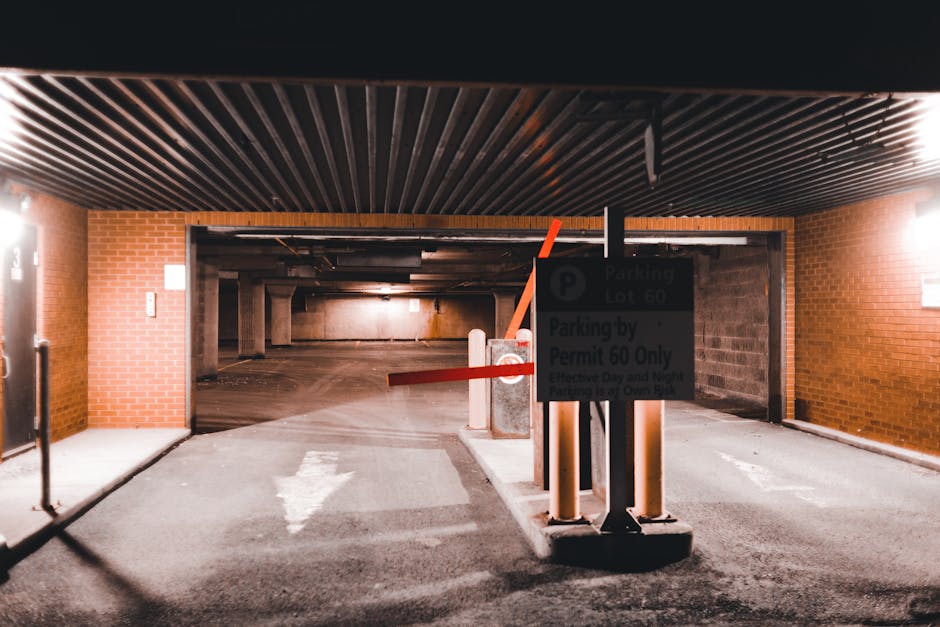
If you are planning a move in Queensway or nearby Petts Wood, the parking side of the job can make the day feel calm or chaotic very quickly. A good Queensway Petts Wood removals parking and permit checklist helps you avoid last-minute scrambles, blocked access, unnecessary delays, and awkward conversations with neighbours or enforcement officers. Truth be told, most moving stress starts before a single box is lifted.
This guide walks you through what to check, how parking arrangements usually work on move day, what a sensible permit checklist looks like, and the small details that make a big difference in a residential area. Whether you are moving from a flat, a terrace, or a family home with tight street space, the aim here is simple: make the parking plan as solid as the packing plan.
You will also find a practical step-by-step process, common mistakes to avoid, and a real-world example that shows how local access issues can affect timing. Let's make it easy, not fiddly.
- Why this matters
- How it works
- Key benefits
- Who needs this
- Step-by-step guidance
- Expert tips
- Common mistakes
- Tools, resources and recommendations
- Law, compliance and best practice
- Options and comparison
- Case study
- Practical checklist
- Conclusion
- Frequently asked questions
Why Queensway Petts Wood removals parking and permit checklist Matters
Parking is not just a convenience on moving day. In a place like Queensway, even a small access problem can snowball. A van that cannot stop close enough to the front door means more carrying, more time, and more chances for damage. If a permit or suspension is needed and nobody has arranged it, the day can quickly become stop-start, with everyone waiting around while someone tries to fix the problem. Nobody wants that at 8:15 in the morning with drawers half-wrapped and the kettle already packed.
Petts Wood has a mix of residential streets, local traffic, and the usual everyday challenges that come with suburban parking. Spaces can be limited, driveways may be narrow, and a removal van may not fit comfortably without a bit of planning. On some streets, it is not enough to simply "turn up and see." You need to think about bay sizes, whether the vehicle will block access, where the crew can load safely, and whether any local parking controls apply.
A proper checklist matters because it does three jobs at once: it protects your schedule, reduces the risk of penalties, and helps the removal team work safely. It also keeps the move more civilised for neighbours. Nobody enjoys finding a large van sitting across a driveway for longer than expected, especially if the weather is grey and the school run has started.
There is another side to it too. Parking issues can affect the moving quote and the time estimate. If access is awkward, the job may take longer or require extra handling. A clear parking plan means fewer surprises, and fewer surprises is usually the whole game in removals.
How Queensway Petts Wood removals parking and permit checklist Works
The checklist is basically a pre-move access plan. You look at the street, work out where the vehicle can stop, decide whether a permit or suspension is needed, and make sure the move crew has room to load without blocking traffic or creating risk. In practice, it is a blend of common sense, local knowledge, and a bit of paperwork. Not glamorous, but very effective.
Start by checking the exact property layout. Is there a driveway? Is it usable for a long wheelbase vehicle? Is the road narrow enough that a van would need to park opposite your front door rather than beside it? Are there yellow lines, resident bays, permit-only zones, or time-restricted restrictions nearby? You want to answer these questions before the moving day clock starts ticking.
Then consider the vehicle itself. A small van may fit where a larger removal truck cannot. A bigger vehicle may be better for fewer trips, but only if there is somewhere realistic to park it. That balance is why many people look at man with van style services for tighter access moves, while larger homes may need something closer to a removal truck hire arrangement. The wrong size vehicle can make a simple move feel oddly complicated.
Permits are the next part. Depending on the street and the type of parking controls in place, you may need to apply in advance for a parking permit, loading permission, or some form of temporary access arrangement. In many cases, this is not something to leave until the last minute. If you are unsure, ask the moving company early so you can decide whether the street needs formal approval or just a sensible loading plan.
A good checklist also covers timing. Morning moves often work better because there is less pressure from passing traffic and fewer parked cars. But if the street is busy early, a late morning slot may be easier. There is no one-size-fits-all answer. The best time is the time that matches your street, your neighbours, and the vehicle size. Simple, but easy to overlook.
Key Benefits and Practical Advantages
Doing the parking and permit planning properly gives you practical gains you can feel on the day. The most obvious is time. If the van can stop close to the property, loading is quicker and less tiring. That matters more than people expect, especially when there are stairs, awkward corners, or heavy furniture.
There is also the safety angle. Clear parking reduces the chance of lifting items across the road or carrying them around badly positioned vehicles. It is easier for movers to manage wardrobes, beds, and boxes when the route from door to van is short and unobstructed. Your back will thank you. Seriously.
Another benefit is avoiding nuisance costs. Parking errors can lead to fines, additional waiting time, or a need to move the van repeatedly. Even when no penalty is issued, lost time can affect the rest of the schedule. A move that finishes one hour late often creates a chain reaction: keys arrive late, unpacking starts late, and everybody ends the day slightly frazzled.
There is a quieter benefit too: peace of mind. Once the parking detail is sorted, you can focus on the actual move. That mental relief is not small. In our experience, customers relax much faster once they know the access plan is under control.
| Parking approach | Best for | Main advantage | Possible drawback |
|---|---|---|---|
| Driveway loading | Homes with usable off-street space | Fastest and least disruptive | May not suit larger vans or long moves |
| Kerbside loading near the property | Short, local moves | Efficient if restrictions allow it | May need a permit or careful timing |
| Managed permit or suspension | Controlled streets | Reduces enforcement risk | Needs advance planning |
| Smaller van and shuttle trips | Narrow roads or tight access | Improves parking flexibility | Can take longer overall |
Who This Is For and When It Makes Sense
This checklist is for anyone moving where parking is not automatically simple. That includes flats on busy roads, terraced houses with no driveway, maisonettes with shared access, and family homes on streets where every inch of kerb space matters. If you have ever driven down a road and thought, "Where on earth would a removal van go?" then yes, this is for you.
It is especially useful if you are:
- moving from a property on a narrow residential street
- using a larger vehicle that may need more stopping space
- moving at a time when parking is usually busy
- living in a permit-controlled area
- sharing access with neighbours, landlords, or other residents
- planning a same-day move with a tight schedule
- moving large or awkward items such as sofas, wardrobes, or a piano
The checklist also makes sense if you are a landlord, property manager, or family helper organising the move on someone else's behalf. Parking mistakes tend to happen when people assume somebody else has handled the detail. That is a classic moving-day gap.
If your move involves business equipment or an office relocation, the planning becomes even more important. Loading bays, delivery windows, and access rules can be a bit more rigid. In that case, a service such as commercial moves or office removals may need a more structured approach than a standard household shift.
Step-by-Step Guidance
Here is a practical way to handle the parking and permit side without getting lost in details.
1. Check the exact street conditions
Walk outside and look at the property from the street, not just from memory. Check bay markings, yellow lines, signs, width of the road, nearby junctions, and whether there are any drop kerbs or driveways you must not block. It is surprisingly easy to miss a restriction when you are focused on boxes rather than traffic signs.
2. Measure the access properly
Not with ruler-level obsession, but enough to know whether a long van can safely stop and open doors. If you have staircases, tight turns, or a shared entrance, factor those in too. A removal crew can work around a lot, but they cannot change the shape of a road. Sadly.
3. Decide what vehicle size makes sense
Think about the balance between capacity and manoeuvrability. A bigger van means fewer trips, but it may be harder to park. A smaller vehicle may fit more easily, especially in a residential street with limited space. If you need packing support as well, combining the move with packing and unpacking services can help reduce time spent parked outside.
4. Check whether a permit, suspension, or loading allowance is needed
Do this early. If the street has formal parking controls, you may need to apply ahead of time. If there are no obvious restrictions, you still need a loading plan so the van can stop safely without upsetting neighbours or obstructing traffic. When in doubt, get a second look. A quick extra check can save a long headache.
5. Set the moving time around the parking reality
Choose a slot that suits the street, not just your calendar. Early morning can be ideal if the road is clear; later in the morning may work better if commuter traffic is an issue. The best timing is often the one that gives the crew a clear, uninterrupted loading window.
6. Tell the moving team everything they need to know
Be specific. Mention if the van must park opposite the house, if access is one-way, if there are height restrictions, or if the nearest legal space is a short walk away. Good movers can plan around this, but only if they know. A five-minute conversation now can save twenty minutes later.
7. Prepare for the unexpected
Have a backup plan for full bays, neighbour parking, or a blocked entrance. Sometimes there is a delivery van in the way, or a car appears in the perfect loading spot five minutes before the crew arrives. It happens more often than people think. Annoying, yes. Unusual, not really.
Expert Tips for Better Results
One of the best things you can do is visit the street at the same time of day as your planned move. A road that seems quiet at 10pm can be surprisingly busy at 8am, especially near schools, stations, or commuter routes. That small timing check often reveals whether your original plan is realistic.
Another useful tip is to keep the first load small and essential. If the van has to park a little further away than ideal, prioritise the biggest and heaviest items first. That keeps the loading route efficient. It sounds obvious, but in the rush of the morning it is easy to end up moving lamps, picture frames, and random baskets before the sofa, which is not exactly ideal.
Use clear labels on boxes and keep a small "move day essentials" bag separate. Parking delays often create a ripple effect, so anything that saves time at the van matters. Keys, kettle, toiletries, chargers, basic documents - keep them where you can find them, not buried under cushions somewhere.
If the move is in a narrow street, ask the crew whether a smaller vehicle or a split-load approach would help. A lot of people assume larger is always better. Not always. Sometimes the clever move is the smaller one, especially in older residential roads where parking spaces are tight and turn-in angles are awkward.
And a bit of honesty helps. If you think the road looks tricky, say so. Movers would rather know upfront than discover a problem when the van is already double-parked and a car is trying to squeeze past. It is much easier to plan around a concern than to rescue the day mid-move.
Common Mistakes to Avoid
The biggest mistake is assuming parking will "sort itself out." That is a hopeful approach, not a plan. Another common error is booking a moving slot without checking whether the vehicle can legally and safely stop near the property. If you only discover the issue on the morning of the move, you may already be burning time.
People also forget that permits can take time to arrange. If a street has specific controls, leave room in your timeline for the application process and any confirmation you need to receive. Leaving it until the day before is a bit like packing your plates after the van has arrived.
Another frequent issue is not checking for temporary obstacles. Skip bins, scaffolding, utility works, builders' vans, roadworks, and delivery traffic can all change what seemed like a straightforward parking spot. This is especially important if you have arranged a longer vehicle or a larger load.
Do not forget neighbours either. A quick heads-up can prevent tension. If your move will use part of the street or shared space, a polite note or conversation can go a long way. It is not about asking permission for everything; it is about making the day smoother for everyone.
Finally, do not overpack the vehicle plan. If your access looks tight, build in extra time. Rushing the loading stage is where damage and stress often creep in. Better a calm extra thirty minutes than a messy, tense hour.
Tools, Resources and Recommendations
You do not need special equipment to manage parking well, but a few practical tools make the process smoother.
- Street photos: Take clear pictures of the front of the property, the nearest parking spaces, and any signs that may affect loading.
- Simple measurement notes: Record driveway width, gate width, and any tight bends or steps.
- Move-day contact list: Keep the moving team, landlord, neighbour, and relevant building contact details handy.
- Box labels: Clear labelling speeds loading and makes parking delays less painful.
- Protective materials: Floor coverings, blankets, and wraps reduce the risk of damage if loading has to happen a little further from the door.
If you are still deciding on the right type of move support, comparing service styles can help. For example, a standard household move may suit house removals, while smaller or tighter-access jobs may work better with man and van removals. The right choice is not just about price. It is about how well the vehicle and team fit the street.
Useful supporting reading can also help you understand the wider moving picture. A few related topics are worth a look if your move is becoming more complex: moving near Petts Wood station access tips for removals, parking rules for moving vans, and staircase or narrow access solutions. Those details often matter more than people expect.
Law, Compliance, Standards, or Best Practice
Parking and loading during a move should follow local traffic rules, road markings, and any permit requirements that apply to the street. If there are restrictions, treat them seriously. Even a short stop can be a problem if the area is controlled or if the van creates an obstruction. Best practice is to assume that visible signs and bay markings matter unless you have confirmed otherwise.
For removals on public roads, the sensible standard is to keep the vehicle parked safely, avoid blocking driveways or junctions, and make sure the loading activity does not create a hazard for pedestrians or drivers. In practical terms, that means planning the stopping point, keeping the route clear, and not treating the pavement like a storage zone. It may sound obvious, but you do still see people trying to wrestle a wardrobe across a footway while traffic queues behind them. Not ideal.
From a service-quality perspective, a professional mover should also act with care, communicate clearly about access issues, and handle items in a way that reduces risk of damage. If you are comparing providers, it is fair to check details such as insurance and safety practices, terms and conditions, and the company's approach to complaints or service standards. Those are boring pages until you need them, and then they are suddenly very relevant.
Householders should also consider shared living arrangements. Flats, managed blocks, and communal roads may have separate rules or expectations about loading and common areas. A good move plan respects those shared spaces. That is part courtesy, part risk reduction, and part simply keeping the day moving.
Options, Methods, or Comparison Table
There are a few ways to handle the parking side of a move in Queensway and Petts Wood. The right option depends on street layout, time of day, vehicle size, and whether you need formal permission.
| Method | Pros | Cons | Best use case |
|---|---|---|---|
| Kerbside loading with no permit | Quick and simple if legal and available | Risky if restrictions are missed | Quiet streets with clear loading space |
| Permit-based parking | More secure and predictable | Requires advance planning | Controlled streets and longer moves |
| Smaller van access | Easier to fit into tight roads | May need more trips | Narrow terraces and limited turning space |
| Off-street driveway loading | Often the smoothest option | Only works if the space is truly usable | Homes with adequate private parking |
There is no universally "best" method. The right answer is the one that lets the crew work safely and legally without wasting time. If you are unsure, compare the street conditions against your vehicle size and then choose the simplest option that still works. Simple is good. Simple usually wins.
Case Study or Real-World Example
Imagine a household moving from a terraced property near a busy local road in Petts Wood. The property looks straightforward from the front, but the street is narrow and parking fills quickly by mid-morning. The family has a large sofa, a bed frame, several heavy boxes, and a washing machine that needs careful handling.
They initially plan to use a larger van because it seems more efficient. Then they check the street properly and realise that a bigger vehicle would need to park too far from the front door to make loading sensible. Instead of pushing ahead and hoping for the best, they switch to a more flexible loading plan, confirm the parking restrictions, and allow extra time for the heavy items.
The result is not dramatic, which is exactly the point. The crew arrives, parks legally, loads in a sensible order, and finishes without any awkward last-minute reshuffling. There is a small delay because a neighbour's car occupies the nearest available bay for a while, but the team already has a backup plan, so it does not derail the day. The move still feels busy, of course, but not chaotic. And on moving day, "not chaotic" is a win.
That is the real lesson here. The checklist does not make the move magical. It just prevents the avoidable problems that drain time and energy.
Practical Checklist
Use this as a last-minute review before your moving date.
- Confirm the exact moving address and access point.
- Check whether the street has yellow lines, permit bays, loading restrictions, or time limits.
- Measure driveway, gate, and turning space if off-street parking is available.
- Decide whether a small van, large van, or removal truck is realistic for the road.
- Arrange any required permit or parking permission in advance.
- Speak to the moving team about access, bay positions, and possible obstacles.
- Take photos of the street and front elevation for reference.
- Warn neighbours if the move will affect shared parking or access.
- Plan a backup space in case the nearest spot is taken.
- Keep move-day essentials separate and easy to reach.
- Allow extra time if the street is tight or likely to be busy.
- Check for scaffolding, skips, or roadworks that could affect parking.
- Make sure the load route is clear of bins, bikes, and garden items.
- Confirm contact details for the mover and the person handing over keys.
- Review any special item handling needs, especially for large or fragile furniture.
Expert summary: If you remember only one thing, make it this: the best parking plan is the one that is legal, close enough to keep loading efficient, and realistic for the size of the van. That combination saves more time than rushing ever will.
Conclusion
A good Queensway Petts Wood removals parking and permit checklist is not just paperwork. It is the quiet bit that makes the loud, busy part of moving much easier to handle. When parking is planned properly, the day usually feels calmer, lighter, and more predictable. You get fewer delays, fewer awkward manoeuvres, and fewer things to worry about while boxes are still coming through the front door.
If your street is tight, the van is large, or the parking rules are a bit unclear, give yourself time to prepare. A few sensible checks in advance can save a lot of pressure later. And if you ever think, "I'll just deal with it on the day," that is usually the moment to pause and do one more check. Small effort, big payoff.
Get a free quote today and see how much you can save.
Moving day is never entirely effortless, but with a solid plan and a calm head, it can be a lot more manageable than people expect. One good decision at the street level can set the tone for the whole move.
Frequently Asked Questions
Do I need a parking permit for removals in Queensway or Petts Wood?
It depends on the exact street, the parking restrictions in place, and where the van needs to stop. Some locations may need a permit or temporary loading arrangement, while others may allow short-term loading without formal permission. Check early rather than guessing.
How far in advance should I arrange parking for moving day?
As early as possible. If a permit or special access arrangement is needed, leave enough time for approval and any follow-up details. A last-minute request can add pressure to an already busy week.
What if the moving van cannot park right outside my property?
That is common enough in residential streets. The moving team may use a nearby legal space and carry items a short distance. It will usually take longer, so build that into the schedule and keep the loading route as clear as possible.
Is it better to use a small van or a larger removal truck?
It depends on access. A larger truck can reduce the number of trips, but a smaller van may be easier to park on a tight street. The right choice is the one that works safely and legally for your road.
What should I tell the movers before the job starts?
Tell them about road width, any parking restrictions, driveway access, nearby obstacles, and whether a permit or loading space has been arranged. The more specific you are, the easier it is for them to plan.
Can parking issues delay my move?
Yes, easily. Even a small delay finding a legal space can affect loading time, key handover, and arrival at the new property. That is why access planning matters so much.
What if another car is parked in the space I planned to use?
Have a backup plan. It helps to identify at least one alternative space nearby, especially on busy streets. If you are arranging a permit or reserved loading space, check how that works before the move date.
Should I warn my neighbours about the move?
It is a good idea, especially if parking or access may be affected. A simple heads-up can reduce friction and make the day feel less tense for everyone involved.
Are there special rules for flats or shared buildings?
Often yes. Flats and managed buildings may have separate access expectations, loading zones, or permission requirements. Check with the building or managing agent well before the move.
What is the biggest mistake people make with removals parking?
Assuming the parking will work itself out. It usually does not. The best results come from checking the street, confirming restrictions, and planning the vehicle position before moving day arrives.
How do I make loading safer if parking is tight?
Keep the route between the property and the van clear, use suitable protection for items and flooring, and avoid rushing heavy furniture through awkward gaps. If access is very tight, tell the movers in advance so they can prepare properly.
Can I combine parking planning with other moving services?
Yes. Many people pair parking planning with packing support, furniture handling, or a smaller van service. For some moves, that combination is what makes the whole thing work smoothly rather than turning into a long day of improvising.