Petts Wood man with van tips for narrow terrace moves
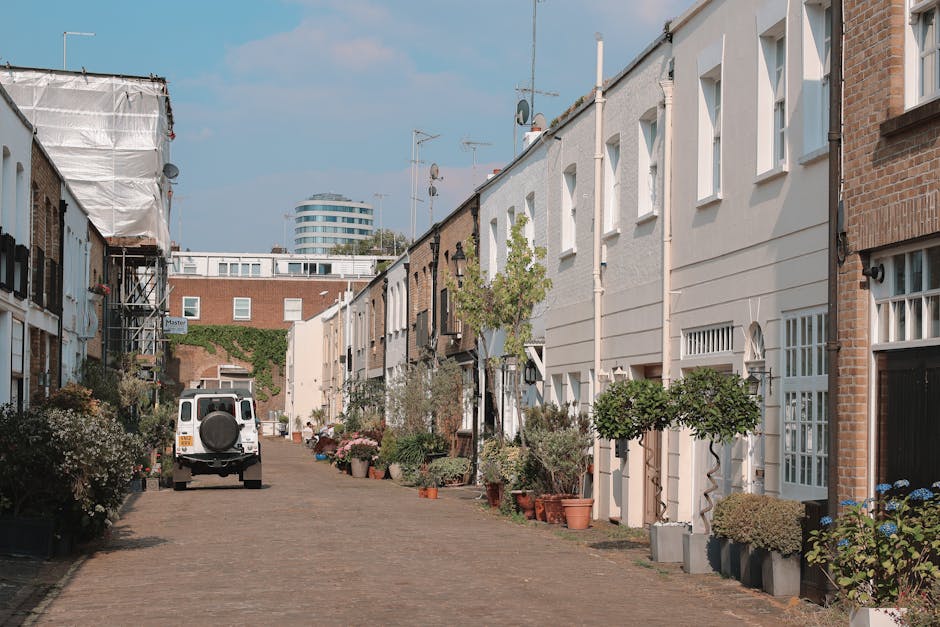
If you are facing a move in one of Petts Wood's narrower terrace streets, you already know the problem is not just lifting boxes. It is the angle of the van, the parked cars, the tight turn at the kerb, and that awkward moment when a sofa looks one inch too wide for the hallway. These Petts Wood man with van tips for narrow terrace moves are built for exactly that sort of day: practical, calm, and focused on getting everything out without scraping walls or losing time.
Truth be told, terrace moves can feel a bit like a puzzle with no spare pieces. But with the right preparation, the right vehicle size, and a sensible loading plan, they become far more manageable. In this guide, you will get a clear method for planning, packing, parking, carrying, and protecting your property. You will also see when a man with van service is the better fit than a larger removal vehicle, plus the common mistakes that make a small move harder than it needs to be.
Expert summary: Narrow terrace moves are won before the van arrives. Measure access, clear the route, pack in carry-friendly loads, and keep the van position simple. That is the real trick.
Why Petts Wood man with van tips for narrow terrace moves Matters
Narrow terrace moves are different from typical house removals because the access, the loading space, and the carrying distance all matter more than the volume of belongings. In a terrace street, a few parked cars can change everything. A van may need to stop further away from the front door, which means more steps, more lifting, and more planning. If you ignore that reality, the day gets slow, hot, and fiddly very quickly.
Petts Wood has plenty of residential roads where the margin for error is slim. That does not mean you need a huge truck or a complicated relocation plan. It means you need to think like a mover, not just a homeowner. Which items go first? Where can the van actually stand? Which box can be stacked safely? What should be dismantled before the crew arrives? Small decisions add up.
The reason this topic matters is simple: a narrow terrace move has less room for improvisation. If you are moving out of a period terrace, a compact family home, or a rented property with a tight front path, you are much better off with a move strategy that suits the street rather than fighting against it. That is where a sensible man and van option can be a neat fit.
It also matters for the property itself. Tight front steps, low brick walls, small porches, and narrow hallways create a real risk of scuffs and knocks. A sofa corner can take a bite out of a painted wall in seconds. We have all seen it: the moment of silence after a slightly-too-ambitious turn. Not ideal.
How Petts Wood man with van tips for narrow terrace moves Works
The basic idea is straightforward. A smaller moving vehicle is paired with careful access planning, a practical loading order, and a route that suits the street. The move is usually quicker when the load is arranged for easy carrying rather than just packed tightly. That means fewer heavy items buried under lighter ones, fewer awkward reshuffles, and fewer trips back and forth.
In real terms, a narrow terrace move often works best in five stages:
- Assess the street and frontage.
- Measure the larger furniture pieces.
- Prepare the house so the path stays clear.
- Load the van in a sensible order.
- Unload by room at the destination, not in a pile at the door.
That last bit sounds obvious, but it is where many moves drift off course. If everything lands in one heap in a front room, the move has technically finished but the job still feels unfinished. Better to stage items in the right rooms as you go. It saves time later, and frankly it keeps the house looking less like a storage unit.
A good small move also depends on communication. If the van cannot park directly outside, say so early. If the stairs are steep, mention that too. If there is a shared alley or a tight rear access point, that matters. Clear information at the start prevents the day from becoming a guessing game.
If you are comparing services, it can help to look at the broader support available through removal services and decide whether you need just transport or a fuller moving plan with packing help and handling support.
Key Benefits and Practical Advantages
The big benefit of using a man with a van for narrow terrace moves is flexibility. A compact vehicle can often position more easily in residential streets, especially where larger removal vehicles would struggle. That means less circling the block, less waiting, and often a more direct loading process. Nice and simple.
There is also a cost angle. If your move does not justify a full-size lorry, you may be paying for space you will never use. A smaller, better-matched vehicle can be more sensible for one-bedroom homes, partial moves, student relocations, furniture-only transport, or short-distance local moves across Petts Wood and nearby areas.
Other practical advantages include:
- Better access: easier handling on tight terraces, narrow roads, and compact driveways.
- Quicker loading decisions: the van can be filled logically by item size and weight.
- Less pressure on the street: less time blocking a narrow lane or shared access point.
- More adaptability: ideal when the move includes a few awkward items rather than a whole house.
- Lower stress: the scale of the job often feels more manageable from the outset.
There is a hidden advantage too: a smaller service often encourages you to declutter before moving. That sounds minor, but it makes a difference. If you are only taking the things that genuinely matter, packing becomes tidier, the van is used better, and the whole move feels lighter. Less stuff, less fuss.
For people moving a mix of household items and one or two bulky pieces, it can be useful to check furniture pick-up options as part of the plan, especially if you are clearing a terrace house in stages rather than all at once.
Who This Is For and When It Makes Sense
This approach is ideal if you are moving from a narrow terrace, a maisonette, a small rented home, or any property where access is tight and parking is awkward. It also makes sense if you are only moving selected items, not the entire contents of a family home.
It is often the right choice for:
- tenants moving in or out of terrace properties
- first-time buyers with modest loads
- downsizers reducing furniture volume
- students and young professionals
- small office or studio moves
- people collecting bulky items from another address
It makes sense when your move is simple enough that speed, flexibility, and access matter more than large-scale logistics. If the property is full, the access is awkward, and the schedule is tight, a bigger removal company may be the better fit. But for many local terrace moves, that is overkill.
One helpful test is this: if you can describe the move in a sentence without saying "everything in the house", you may well be in man-and-van territory. If the answer involves multiple bedrooms, heavy wardrobes, and long loading times, you may need a fuller team. Simple as that, really.
Step-by-Step Guidance
Here is the part that saves people the most grief. Follow the steps in order, and the narrow terrace suddenly stops feeling like a problem you have to wrestle with.
1. Measure the access before moving day
Check the front path, gate width, hallway, stair turns, and door frames. Also look at the street itself. If there are cars parked tightly on both sides, the van may need a different stopping point. Measure the longest and widest items too. A wardrobe that fits in the room may still be a nuisance on the stair landing.
2. Create a clear carrying route
Move shoes, rugs, bins, plants, and loose bits out of the path. In a terrace house, the route from front room to van is often short but narrow. That little corridor matters. The more open it is, the less chance of snagging or tripping.
3. Break down furniture where it helps
Remove table legs, bed frames, shelves, and loose parts before the movers arrive. Keep fittings in labelled bags. This saves space in the van and makes awkward turns easier. If you have ever tried turning a whole bed base around a narrow stair corner, you will know why this matters.
4. Pack by weight and room
Use smaller boxes for books and heavier items. Put lighter items in medium boxes. Label each box clearly with the destination room and whether it is fragile. Packing by room helps the unload go faster, which is a genuine help when the destination is another terrace with a similar layout.
5. Plan the van position
Decide where the vehicle will stand and how much space the tail end needs for loading. If it cannot sit directly outside the house, work out the best nearby stop. The goal is not perfection. The goal is to avoid unnecessary carrying distance and repeated reshuffling.
6. Load in the right order
Heavy, sturdy items go in first. Softer or more delicate pieces can be packed around them with blankets and straps. Keep essential items easy to reach. You do not want the kettle, charger, and first-night bedding trapped behind a wardrobe and three boxes of books. That would be a classic move-day annoyance.
7. Unload with a room-by-room plan
As the van is emptied, place boxes and furniture into the correct rooms. Resist the temptation to put everything just inside the door. It feels quicker in the moment, but you pay for it later with extra carrying.
For a move that includes packing support, the best next step may be to explore packing and unpacking services. They can take a lot of pressure off tight access moves where every box needs to be easy to carry.
Expert Tips for Better Results
There are a few small things experienced movers do almost automatically. They sound minor, but they save time and protect the property.
- Use furniture blankets early. Don't wait until a scratch appears. Wrap the item before it reaches the doorway.
- Protect corners and banisters. A simple moving blanket on a tight turn can prevent the classic wall brush.
- Keep one person free to guide. In narrow stairs, a spotter is often more useful than another pair of hands.
- Take photos of cable setups. It sounds boring, but it stops confusion at the new place.
- Reserve a "first night" bag. Kettle, phone charger, toiletries, key documents, and a change of clothes. The usual.
Another useful habit is to think in terms of carrying distance, not just distance on a map. Ten extra metres along a terrace frontage can matter more than you expect. A move that looks short on paper may still take a fair bit of effort if the van cannot get close.
And here is a small human truth: most people underestimate their books. Books are lovely. Books are also stubbornly heavy. Pack them in smaller boxes or you will regret it halfway down the stairs.
If your move is part of a larger house relocation, it can be worth checking house removals support as well, especially where the job is bigger than a simple furniture run but still too compact for a full-scale lorry.
Common Mistakes to Avoid
Most problems on terrace moves are not dramatic. They are little planning slips that snowball. Here are the ones to watch for.
- Assuming parking will sort itself out. It rarely does in a narrow street.
- Leaving packing until the night before. That is how fragile items get rushed and mislabeled.
- Using oversized boxes for heavy items. A big box of books is a back problem waiting to happen.
- Not measuring large furniture. The sofa may be fine. The bend in the hallway may not be.
- Ignoring stair turns and door swings. These are the bits that catch people out.
- Blocking the route with loose clutter. One stray laundry basket can slow the whole job down.
Another common mistake is not saying enough during the quotation stage. If you know access is awkward, say so. If the van must park a bit away from the property, say so. If there is no lift at the destination, say so. Better to be slightly over-descriptive than to be vaguely optimistic. To be fair, that optimism has trapped many a moving day.
It is also worth avoiding a too-small time window. Narrow terrace moves often take longer than people expect because each item has to be carried carefully. Rushing leads to dropped corners, bumped walls, and a mood that no one really enjoys.
Tools, Resources and Recommendations
You do not need a warehouse of equipment. A narrow terrace move is usually made easier by a few simple, reliable tools.
| Tool or item | Why it helps | Best use on terrace moves |
|---|---|---|
| Furniture blankets | Protects surfaces from scratches and knocks | Wrapping sofas, tables, wardrobes, and drawer fronts |
| Straps and ties | Keeps items stable in transit | Securing heavier furniture inside the van |
| Labels and marker pens | Makes unloading faster and clearer | Room-based box labelling |
| Small strong boxes | Safer for heavy items like books or tools | Helps with stairs and tight carrying routes |
| Door stops | Keeps doors open while carrying | Reduces faff during repeated trips |
If you are hiring a service, check whether they provide basic protective kit and how they handle access issues. A reputable provider should be comfortable talking about loading methods, insurance, and safe lifting practice. You can also review the site's insurance and safety information and the health and safety policy to understand expectations before the move.
On the admin side, it is sensible to look at pricing and quotes early so you can compare the service type, vehicle size, and any access-related assumptions. Not glamorous, I know, but it helps.
Law, Compliance, Standards, or Best Practice
For most domestic moves, the main concerns are practical rather than legal, but there are still a few important standards and duties to keep in mind. The mover should work safely, handle goods with reasonable care, and be clear about what is included in the service. Clients should also be honest about access conditions so the service can be delivered safely and efficiently.
In the UK, safe manual handling is a serious matter. You do not need to memorise regulations to benefit from them, but the principle is simple: avoid unsafe lifts, use team handling when an item is awkward, and do not force a move through a space that is clearly too tight. That is just common sense, really, with a professional edge.
Best practice also includes:
- using suitable vehicle loading methods
- securing items properly for transit
- protecting property from avoidable damage
- communicating access limitations before the job begins
- providing clear terms and fair payment arrangements
If you are reviewing the provider's site, it can be reassuring to read pages such as terms and conditions, payment and security, and privacy policy. These do not change how a wardrobe gets through a hallway, but they do tell you something about how the business is run.
If sustainability matters to you, there is also value in checking recycling and sustainability. Moves often create packaging waste, and a thoughtful approach to disposal and reuse is a nice touch.
Options, Methods, or Comparison Table
Choosing the right moving approach depends on the load, the street, and how much help you want. Here is a simple comparison that may help.
| Option | Best for | Strengths | Possible drawbacks |
|---|---|---|---|
| Man with van | Small to medium loads, tight terraces, local moves | Flexible, practical, easier access, usually less wasteful | Less suited to very large households |
| Full removal team | Large homes, heavier loads, longer jobs | More manpower, broader support, less lifting for you | May be more than you need for a compact terrace move |
| Self-move with hired van | Budget-conscious moves with confident packers | Maximum control over timing and packing | More stress, more lifting, and more risk if the access is awkward |
| Partial-service move | Furniture-only or mixed-item moves | Good balance of cost and support | Requires clear planning from the start |
For many Petts Wood terrace moves, the sweet spot is a compact service that handles the transport and the awkward lifting, while you prepare the boxes and keep the route clear. If that sounds like your situation, you may also find the wider man with a van approach more flexible than a rigid moving truck setup.
There is no single perfect answer. The right choice is the one that fits your street, your furniture, and your nerves. Yes, nerves count.
Case Study or Real-World Example
Imagine a couple moving out of a two-bedroom terrace in Petts Wood on a Friday morning. The street is busy, the front path is narrow, and the biggest items are a bed frame, a sofa, a dining table, and ten to twelve boxes. No grand piano, thankfully.
They start by measuring the sofa and the landing turn, then dismantle the bed and wrap the table legs separately. They clear the hallway the night before, leave boxes by room, and agree that the van will stop a short distance from the door rather than trying to squeeze directly outside. That one decision saves a surprising amount of time.
On moving day, the first load contains the bed parts, mattresses, and labelled boxes. The second load is the sofa and dining table. Because the route is clear and the load is planned, there is less backtracking and fewer awkward pauses in the front garden. By lunchtime, they are much further along than expected, and the move feels steady instead of chaotic.
What made the difference? Not luck. Preparation. The van was the right size, the packing was sensible, and the access plan was realistic. That is the sort of result you want from a local move: uneventful in the best possible way.
Practical Checklist
Use this checklist a day or two before the move. It is short for a reason. You will actually use it.
- Measure large furniture and any tight turns.
- Confirm where the van can park.
- Clear the hallway, stairs, and front path.
- Pack heavy items into smaller boxes.
- Label boxes by room and priority.
- Disassemble furniture where practical.
- Keep screws and fittings in marked bags.
- Set aside a first-night essentials bag.
- Protect floors, corners, and fragile surfaces.
- Tell the mover about any access problems in advance.
- Check insurance, terms, and payment details.
- Keep keys, documents, and chargers within easy reach.
Small bonus tip: take one last look at the street in daylight if you can. Morning shadows can make a narrow kerb feel more confusing than it really is.
If you are comparing providers now, it is sensible to look at about us so you know who you are dealing with, then check the removals near me mindset when deciding whether a local team is the best fit for your terrace move.
Get a free quote today and see how much you can save.
Conclusion
Narrow terrace moves do not need to be stressful, but they do need to be respected. The best Petts Wood man with van tips for narrow terrace moves all come back to the same idea: plan the access, keep the load manageable, and avoid forcing the move through a space that does not want to cooperate. That is how you protect your home, save time, and keep the day civilised.
Whether you are moving a full flat's worth of furniture or just a few stubborn pieces, the smartest move is usually the one that fits the street, not the other way around. And once you have done it properly, the relief is real. Doors close, the kettle goes on, and the whole thing is suddenly behind you.
That is a good feeling, and honestly, it is worth planning for.
Frequently Asked Questions
What is the best van size for a narrow terrace move in Petts Wood?
The best van size depends on the amount of furniture and how tight the access is. For many terrace moves, a smaller or medium van is easier to park and load than a large removal truck. The goal is balance, not maximum capacity.
How do I know if my sofa will fit through a narrow hallway?
Measure the sofa, the hallway width, and the tightest turn, including any banister or radiator that narrows the route. If the sofa looks awkward on paper, it will probably feel awkward in real life too. A quick measure usually saves a lot of guesswork.
Should I dismantle furniture before the movers arrive?
Yes, where it is safe and practical to do so. Beds, tables, shelving, and some wardrobes are easier to move in parts. Keep fittings bagged and labelled so reassembly is not a headache later.
What should I tell a man with van company before my move?
Share access details, street parking conditions, the number of items, any heavy or fragile pieces, and whether stairs are involved. The more honest the description, the more realistic the plan.
Can a man with a van handle a whole house move?
Sometimes, but it depends on the size of the property and how much needs moving. For compact homes or partial moves, it can be a very good fit. For larger family houses, a fuller removal service may make more sense.
How can I protect walls and bannisters during a terrace move?
Use furniture blankets, keep the route clear, and take turns carefully. If the stairs are especially tight, a second person guiding from the side can help stop corners catching on paintwork.
Is it cheaper to use a man and van than a full removal team?
It often is for smaller loads, because you are not paying for a larger vehicle and more crew than you need. But the real comparison should be value, not just price. A cheaper option that takes twice as long may not be the bargain it first appears.
What if parking is impossible right outside my terrace?
That is common enough. In that case, you need to plan for a short carry from the nearest sensible stopping point. It helps to clear the route and pack in manageable boxes so the extra distance does not slow everything down too much.
Do I need packing help for a narrow terrace move?
Not always, but it can help if you have fragile items, lots of books, or limited time. Professional packing support can make the load safer and the day less frantic, especially where every box needs to be easy to carry.
How far in advance should I book a local move?
As early as you can, especially if you want a preferred day or time. Short notice can work for smaller jobs, but terrace access and parking challenges are easier to manage when the mover has time to plan properly.
What is the biggest mistake people make on terrace moves?
Underestimating the access. People often focus on the number of boxes and forget the hallway, the parking, and the stair turn. That is usually where the delay appears.
Where can I check service terms and safety details before booking?
You can review the provider's terms and conditions, insurance and safety, and health and safety policy pages before you decide. That way, you know what to expect and you can book with a bit more confidence.
What if I only need one or two bulky items moved?
That is exactly where a smaller local service can shine. For one-off pieces, a furniture pick-up style job is often far more practical than arranging a large removal operation.