Pavement & Skip Rules in Petts Wood: Legal Removals Guide
Posted on 29/07/2026
Moving house, clearing out bulky furniture, or managing a last-minute tidy-up in Petts Wood can get awkward very quickly when a skip, a van, and a narrow pavement all enter the picture at once. One minute you are thinking about boxes and bubble wrap; the next, you are wondering whether the skip can sit outside, who needs permission, and how to avoid annoying a neighbour or getting slapped with a fine. That is exactly where a practical understanding of Pavement & Skip Rules in Petts Wood: Legal Removals Guide becomes useful. It helps you plan a legal, tidy, and far less stressful move.
This guide breaks the subject down in plain English: why the rules matter, how they usually work in real moving scenarios, what to do before booking a skip or removal van, and how to keep your move smooth without taking shortcuts that can backfire. If you are moving from a flat, a family home, or a shared building, the advice here will save you time and a few headaches too.
For a broader view of planning and moving logistics, it can also help to read about packing efficiency for a house move and the realities of parking rules for moving vans. Those two topics sit very close to the one we are covering here.
Why Pavement & Skip Rules in Petts Wood: Legal Removals Guide Matters
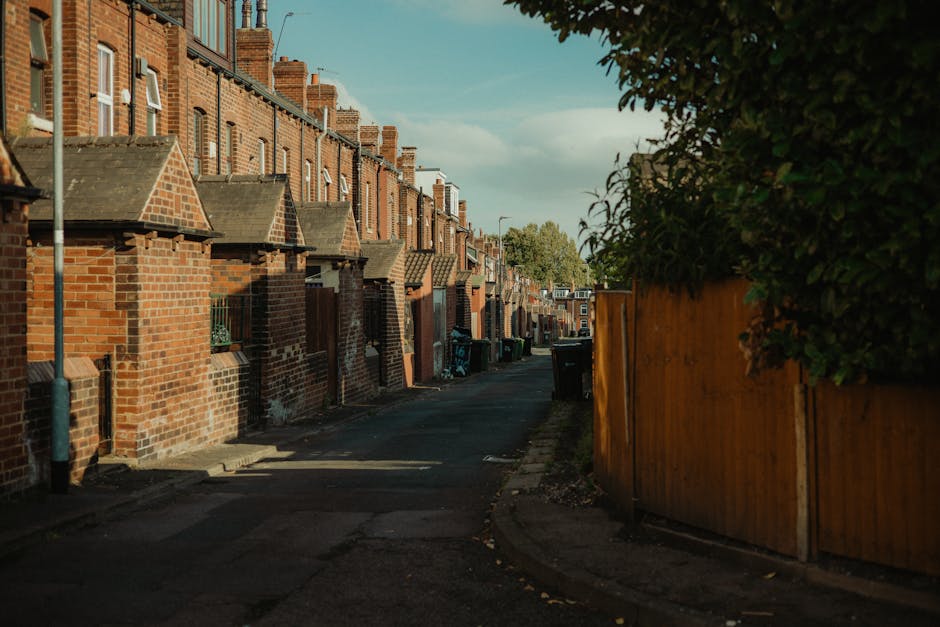
Pavement and skip rules are not just paperwork. They shape whether your move is safe, legal, and respectful to the people sharing the street with you. In Petts Wood, as in many London areas, the practical issue is simple: pavements are for pedestrians, and roads are busy enough already. A skip or van positioned badly can block foot traffic, damage paving, or force people into the road. That is where the law and local expectations start to matter.
The real-world challenge is that removal days tend to be messy by nature. Doors are open, mattresses are half-wrapped, and someone is usually trying to carry a wardrobe while checking their phone for the arrival time. If a skip is involved, the risk multiplies. You may need permission, a safe position, and a clear loading plan. You might also need to protect the pavement surface or arrange a temporary suspension of parking nearby. Miss one piece, and the whole day becomes a game of catch-up.
To be fair, most people do not plan to get the rules wrong. They simply assume a skip can be dropped wherever it fits, or that a removals van can stop on the pavement "just for a minute". That short minute can be the problem. A few small decisions early on usually prevent the bigger issues later.
It also matters because local streets in Petts Wood are not all the same. Some have narrow access, some are busier than they look, and some have shared spaces where everyone notices a blocked path. If you are moving from a flat or a house with limited frontage, the margin for error gets smaller. A clear plan keeps your move orderly and, quite honestly, less embarrassing if a neighbour asks the obvious question: "How long is that going to be there?"
How Pavement & Skip Rules in Petts Wood: Legal Removals Guide Works
At its simplest, the process comes down to three questions: where will the skip or vehicle sit, does it affect public space, and is permission needed? If the answer to the second question is yes, you should slow down and check the details before anything is delivered or parked.
In many moving situations, you are dealing with one of four common setups:
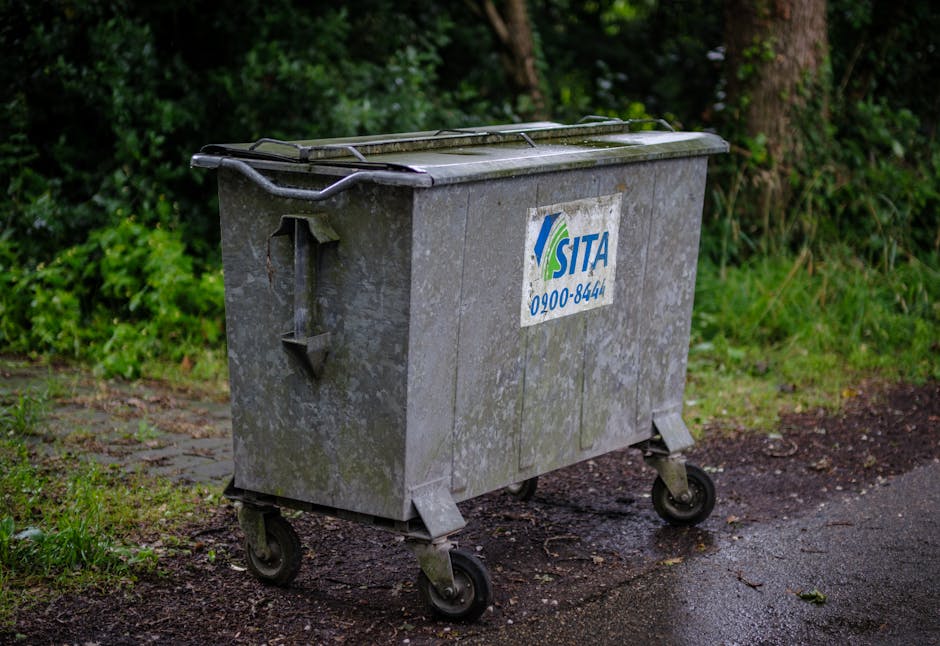
- a skip placed on private land such as a driveway;
- a skip placed on the road edge with permission;
- a removal van loading from the carriageway or a marked bay;
- a vehicle or skip that may briefly interact with the pavement while loading or unloading.
Each setup carries different expectations. Private land is usually the simplest because it avoids the public pavement question altogether. The road edge, on the other hand, is where permission, access, and timing become more important. A skip or van can affect pedestrians, cyclists, wheelchair users, and pushchairs, so it is never just about convenience.
If your removal is taking place in a flat or tight-access property, the plan often needs more thought than people expect. A good first step is looking at how the building access works and whether the load route is likely to cross shared pathways. Our guide on staircase or narrow access solutions is useful if you are already picturing awkward corners and a lot of sighing.
There is also a difference between a quick loading stop and a longer placement. A van stopping for active loading is not the same as a van left unattended, and a skip left for days is different again. That is why the details matter. What seems like a small loading pause can become a compliance issue if the vehicle is blocking footway access or overstaying a parking arrangement.
Typical questions people should ask before booking
- Will the skip sit on private land or public highway?
- Will it block the pavement or a pedestrian route?
- Do we need a permit or bay suspension arrangement?
- Is there enough turning room for delivery and collection?
- Will the route be safe for neighbours and passers-by?
That last question sounds obvious, but it is the one people miss when they are focused on the move itself. And yes, moving day can make anyone a bit tunnel-visioned.
Key Benefits and Practical Advantages
When you follow the rules properly, the benefits go beyond avoiding penalties. A well-planned skip or removals setup makes the whole move feel cleaner and less chaotic.
- Fewer delays: You are less likely to be interrupted by parking disputes or last-minute repositioning.
- Safer access: Clear pavements and proper loading space reduce trip hazards and collisions.
- Better neighbour relations: Nobody enjoys being the person who blocks the path on a school run morning.
- Lower damage risk: Proper placement reduces the chance of cracked slabs, scratched kerbs, or wheel marks.
- Smoother removals: A tidy loading zone helps movers work faster and with fewer awkward lifts.
There is another benefit people often overlook: confidence. When the logistics are sorted, you can focus on the move itself. You know where the skip is going, where the van is stopping, and what is happening to the furniture that will not make the journey. That kind of clarity is surprisingly calming.
If you are decluttering before the move, this is a good moment to separate what is going, what is being stored, and what is too awkward to handle on the day. A practical read on strategic decluttering for movers can help you decide what truly needs to be in the skip and what should not be thrown out too quickly.
For many people, the real win is avoiding the classic "we'll deal with it later" mindset. Later usually arrives as a bill, a blocked pavement, or a stressed phone call. Not ideal.
Who This Is For and When It Makes Sense
This guide is relevant for anyone moving, clearing, or disposing of items in Petts Wood where pavement access or skip placement is part of the plan. In practice, that includes:
- homeowners clearing lofts, garages, or garden waste;
- tenants moving out of flats or maisonettes;
- families replacing furniture and disposing of bulky items;
- students doing quick moves with a limited van stop;
- office managers arranging archive or furniture clear-outs;
- people booking same-day removals where timing is tight.
It makes sense whenever the removal job is larger than a few boxes. If you are dealing with sofas, white goods, beds, or several runs of furniture, you usually need to think about access, loading, and disposal all at once. Honestly, the bigger the item, the quicker the pavement and skip questions appear.
It is also useful if you live in a shared building where neighbours, building managers, or local road users may be affected. Shared spaces need a bit of diplomacy. That is not fluffy advice; it is just the reality of working in close quarters.
For bulky items that will not be reused, it is worth checking the disposal route first. A helpful related article on bulky waste removal options for sofas and appliances can make this decision much easier.
Step-by-Step Guidance
If you want a practical way to handle pavement and skip planning, use this sequence. It is simple, but that is exactly why it works.
- Assess the site. Check where the skip or van would sit, how wide the pavement is, and whether pedestrians would still have a clear route.
- Separate private from public space. If the skip can sit on private land, that often reduces the need for extra permission and makes life easier.
- Plan the loading route. Work out how items will move from the property to the vehicle or skip without crossing unsafe or narrow obstacles.
- Confirm timing. Choose a delivery and collection window that fits the move, parking conditions, and building access rules.
- Check for nearby restrictions. Think about parking bays, access hours, shared driveways, school-run traffic, or anything else that could create a snag.
- Protect the surface. Use boards, mats, or sensible lifting methods if the route might damage paving or flooring.
- Brief everyone involved. Make sure movers, helpers, and family members know where the skip or vehicle is, and where not to stand.
- Keep the route clear. No loose boxes, wrapping, cables, or random "temporary" piles in the walkway.
That last part matters more than people think. A clean route is often the difference between a calm removal and a frustrating one. There is always that one box nobody claims. Always.
For moving-day efficiency, you may also want to pair this with advice from a calmer house-moving approach and pre-move cleaning guidance. When the property is clear and the access route is clean, everything feels less strained.
A simple planning shortcut
Ask yourself: will the object or vehicle touch public space, slow pedestrians, or block loading? If the answer is yes, treat it as a permissions and safety task, not just a logistics task. That one habit saves a lot of guesswork.
Expert Tips for Better Results
In our experience, the best moves are the ones where people reduce decision-making on the day itself. Here are a few field-tested habits that help.
- Book with the access route in mind. Don't just think about volume; think about where the van stops and how far the lift is.
- Keep the pavement clear for others. Even a small obstruction can be a nuisance for prams, mobility aids, or delivery drivers.
- Use the skip for the right waste. Do not mix in items that need separate handling or a different disposal method.
- Label what is being kept, moved, or binned. Unclear piles cause confusion very fast.
- Match the vehicle size to the access. A larger van is not always the better choice if the street is tight.
If you are handling heavy items yourself, it is wise to study safer lifting methods too. A short read on lifting heavy items safely can be surprisingly useful, especially if you are the "I'll just do it myself" person in the household.
A small but useful trick: picture the move in three stages rather than one big event. Stage one is access. Stage two is handling. Stage three is disposal or transport. If all three are planned, you are in good shape. If not, you tend to improvise. And improvising with a sofa on a wet Tuesday morning is, well, not the dream.

Common Mistakes to Avoid
Most problems come from a few predictable mistakes. The good news is they are avoidable.
- Assuming the pavement is "just enough space". If people have to step into the road, that is not enough.
- Leaving skip decisions until the last minute. By then, delivery slots and parking options may be limited.
- Forgetting shared access rules. Flats, managed properties, and communal areas often have their own expectations.
- Overfilling the skip or underestimating waste volume. A half-planned clear-out can become a second trip.
- Using a van stop as if it were a storage bay. Loading is one thing; lingering is another.
- Ignoring surface damage risk. Heavy wheels and sharp edges can leave a mess on paving or kerbs.
There is also the human mistake: everyone assumes someone else checked it. That one crops up constantly on moving days. The person booking the van assumes the landlord handled the access; the person handling the access assumes the mover checked parking. Cue confusion. Easy to fix, but only if you talk to each other.
If you are concerned about hidden expenses, it is worth exploring common moving cost traps. Unplanned parking or access issues can create extra charges very quickly.
Tools, Resources and Recommendations
You do not need a giant toolkit to handle this well, but a few practical items help a lot:
- Measuring tape: Useful for checking pavement width, doorway clearance, and loading space.
- Masking tape or labels: Great for marking items that are moving, storing, or being discarded.
- Protective boards or covers: Helpful where floors, paving, or thresholds need protection.
- Gloves and sturdy footwear: A small thing, but a meaningful one when handling waste or furniture.
- Hand trolley or sack truck: Handy for bulky items where appropriate.
- Rubbish bags and sturdy boxes: Good for sorting small waste before it becomes a loose mess.
For storage-related items that are not going straight out, a read on long-term sofa storage tips may help if you are deciding what to keep out of the skip entirely.
If you are planning the move itself, the pages on house removals in Petts Wood, flat removals in Petts Wood, and man with a van in Petts Wood can also sit neatly alongside this guide when you are deciding how much help you need.
Law, Compliance and Best Practice
Here we should be careful and realistic. Skip placement, pavement use, and vehicle access are often governed by local rules, permit requirements, highway considerations, and property-specific arrangements. The exact setup can vary depending on where the skip goes, how long it stays, and whether the pavement or road is affected.
The safest approach is to treat any public pavement or highway impact as a compliance issue, not an informal convenience. Do not assume a vehicle can stop on the footway because it is short-term, and do not assume a skip can sit outside without permission if it affects public space. If there is any doubt, check the relevant local process before delivery rather than after the fact.
Best practice usually means:
- keeping pedestrian access open wherever possible;
- avoiding blockages to pavements, crossings, and driveways;
- protecting neighbours and passers-by from trip hazards;
- planning deliveries and collections to minimise disruption;
- following building rules where shared entrances or communal areas are involved;
- making sure the handling team understands site constraints before they arrive.
In plain English: if the arrangement could inconvenience the public, damage the property, or create a safety issue, it deserves proper planning. That is the steady, sensible way to do it. Nothing fancy, just careful.
For readers who also want to understand local moving logistics more broadly, the article on avoiding fines from van parking rules is a strong companion piece.
Options, Methods and Comparison Table
When you are weighing up how to handle waste or access during a move, the best option is not always the biggest one. It depends on the property, the street, and the volume of items.
| Option | Best For | Pros | Watch Outs |
|---|---|---|---|
| Skip on private land | Homes with driveways or front space | Usually simpler, less public disruption | Space may be limited; needs clear access |
| Skip on road edge | Properties without private placement space | Can work well where permitted | May require permission and careful positioning |
| Short loading van stop | Quick removals or direct furniture loading | Fast and efficient if managed well | Must not block access or overstay |
| Phased removal with storage | Moves with staggered timing or uncertain space | Reduces pressure on moving day | Can add planning and handling steps |
If you are not sure which approach fits your property, think less about convenience and more about friction. Which option creates the fewest awkward moments? Which one keeps people moving safely? Which one does not need a dozen apologies to neighbours? That is usually the right one.
Case Study or Real-World Example
Picture a typical Petts Wood moving day. A family is leaving a semi-detached house with a narrow front path, a couple of large wardrobes, an old sofa, and a pile of broken household items that should not go to the new place. They initially plan to put a skip near the pavement because the driveway is full of boxes.
But once they measure the frontage and look at the walking route, the issue becomes clear: the skip would narrow the footpath too much. Instead, they reorganise the process. First, they separate the goods into three groups: keep, move, and discard. Then they move the discard pile into a more compact stack, decide that a small skip on private land is workable after all, and book the removal van for a time when the street is quieter.
The result is not glamorous, but it works. The pavement stays clear, the movers have room to carry items out safely, and the family avoids a last-minute scramble. Nobody had to stand awkwardly in the garden trying to decide what to do with a cracked lamp base. Small mercy, that.
That sort of planning also helps with awkward bulky items. If you have a piano, for example, the logistics become much more delicate. Our page on piano removals in Petts Wood is a good reminder that access planning and careful handling go hand in hand.
Practical Checklist
Use this before you book anything or move the first item.
- Have I checked whether the skip or vehicle will affect public pavement space?
- Is there enough room for pedestrians to pass safely?
- Can the skip sit on private land instead of the highway?
- Have I checked the property's access rules, if it is a flat or shared building?
- Do I know what waste is going into the skip and what is not?
- Have I measured access points, turning space, and loading clearance?
- Have I informed neighbours or building management where needed?
- Is the move timed to avoid the busiest part of the day?
- Do I have protection for floors, paving, or thresholds if needed?
- Have I built in enough time so nobody feels rushed?
If you can tick most of those off, you are on the right track. If not, take another pass. It is much easier to adjust a plan than to fix a mistake with a skip already parked in the wrong place.
Expert summary: legal removals in Petts Wood are usually straightforward once you treat pavement use, skip placement, access routes, and neighbour impact as one planning job rather than separate tasks. That mindset keeps the move tidy, compliant, and far less stressful.
Get a free quote today and see how much you can save.
Conclusion
Skip placement and pavement access are not the glamorous parts of moving, but they are often the difference between a clean job and a messy one. If you plan around the street, the pavement, and the property access before moving day, you give yourself a much calmer experience. That is the heart of this guide. Less guessing, fewer surprises, better outcomes.
In Petts Wood, where streets and access points can vary from one property to the next, a little care goes a long way. Measure, plan, communicate, and keep the route clear. It sounds basic because it is basic. Yet basic done well is what keeps removals legal and manageable.
And if the day still feels a bit much, that is normal. Most moves do. Just keep going step by step; it tends to come together in the end.